
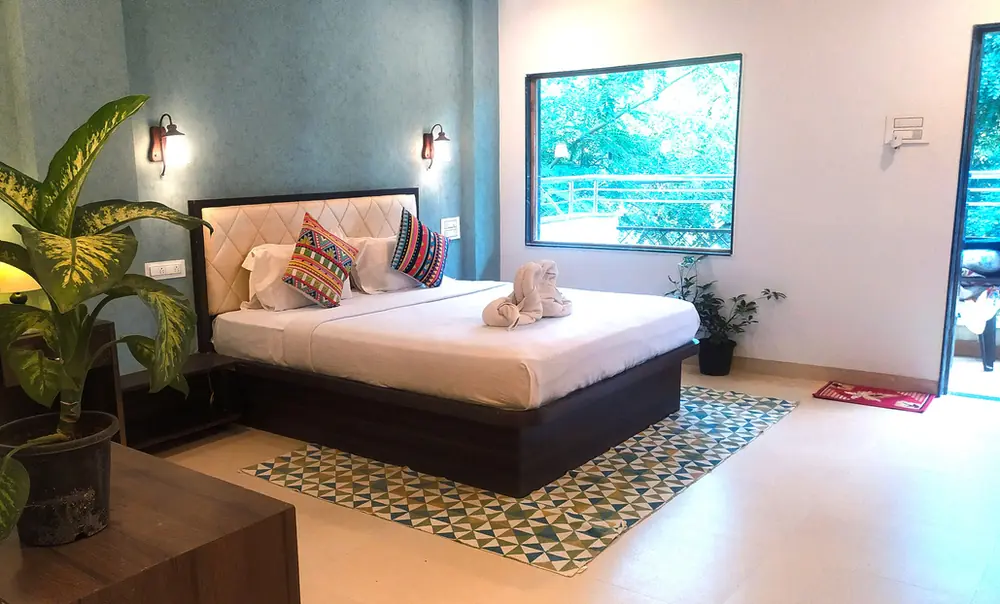
11 roomsDeluxe Rooms
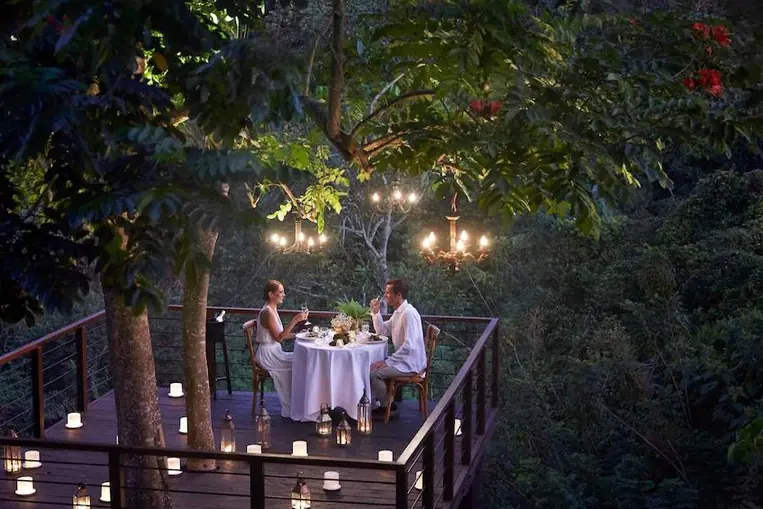
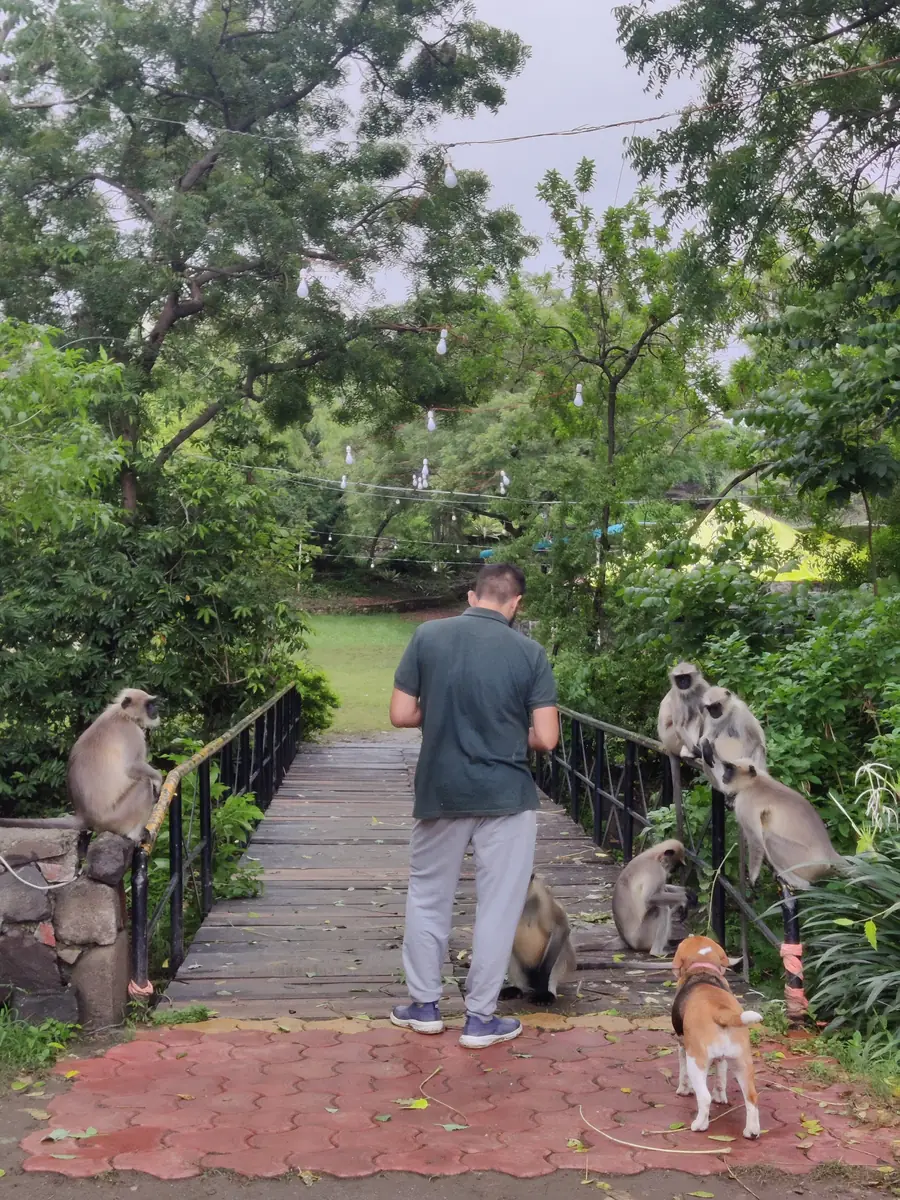
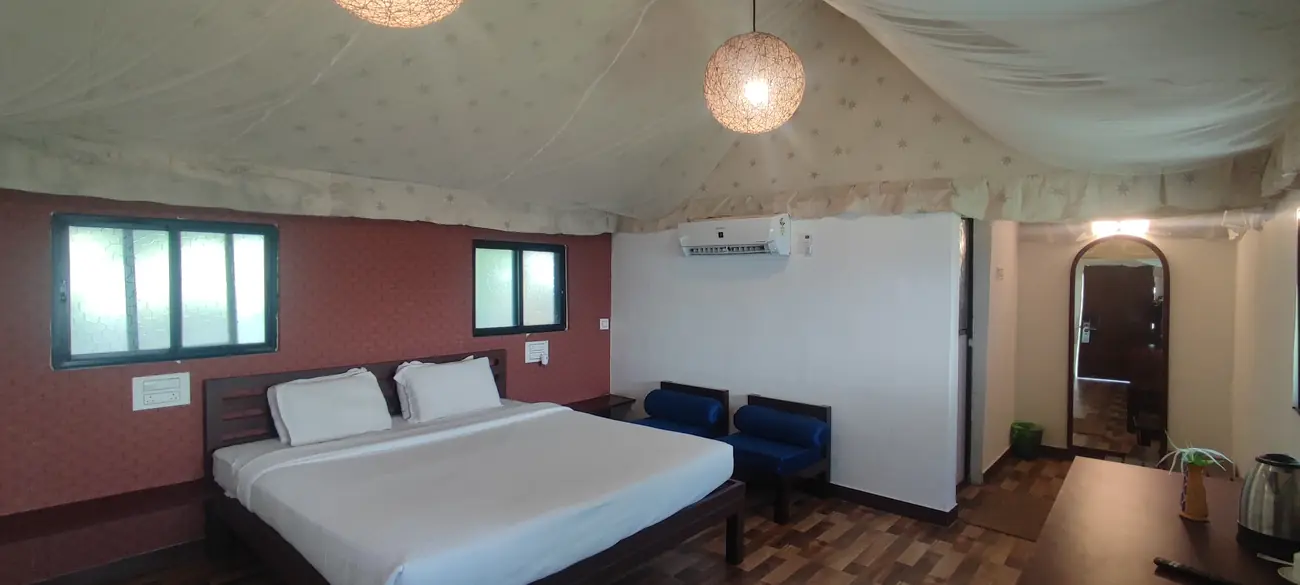
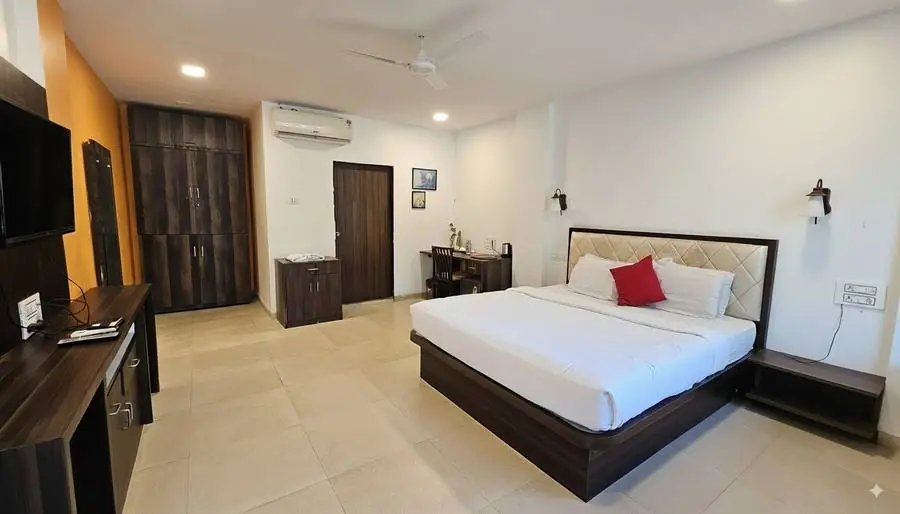
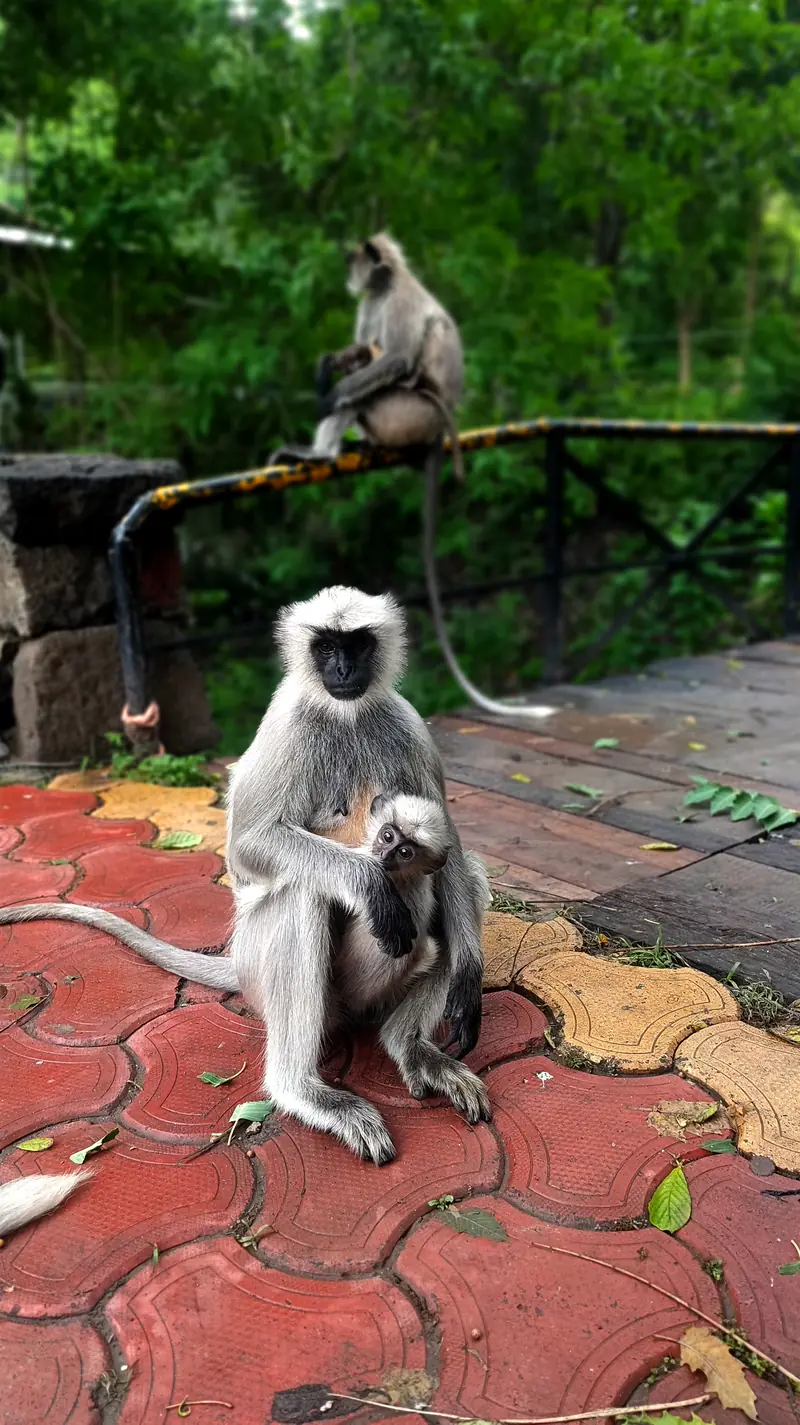
Spacious air-conditioned rooms with mountain views, satellite TV, tea & coffee maker and hot showers. Watch the langurs from your window in the morning.
Where the valley breathes slowly
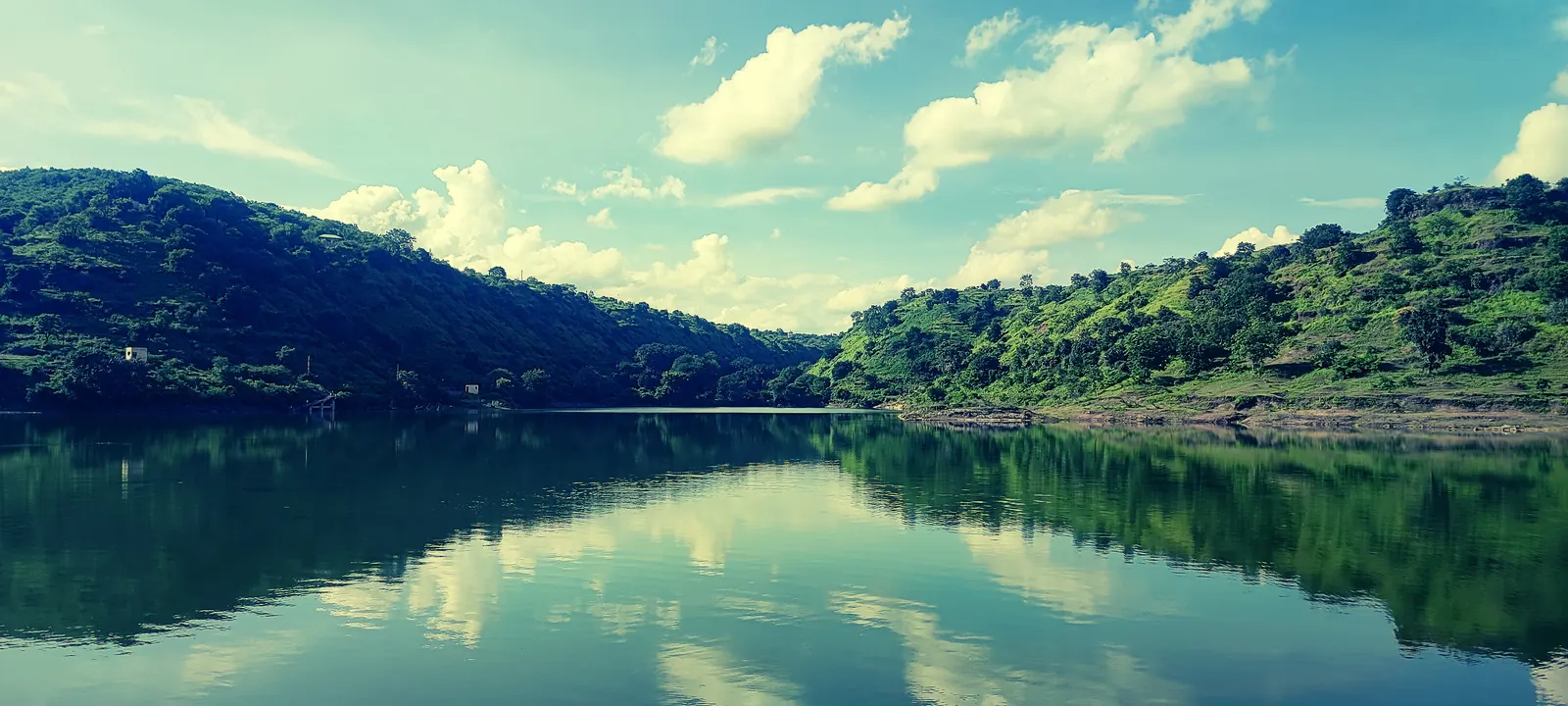
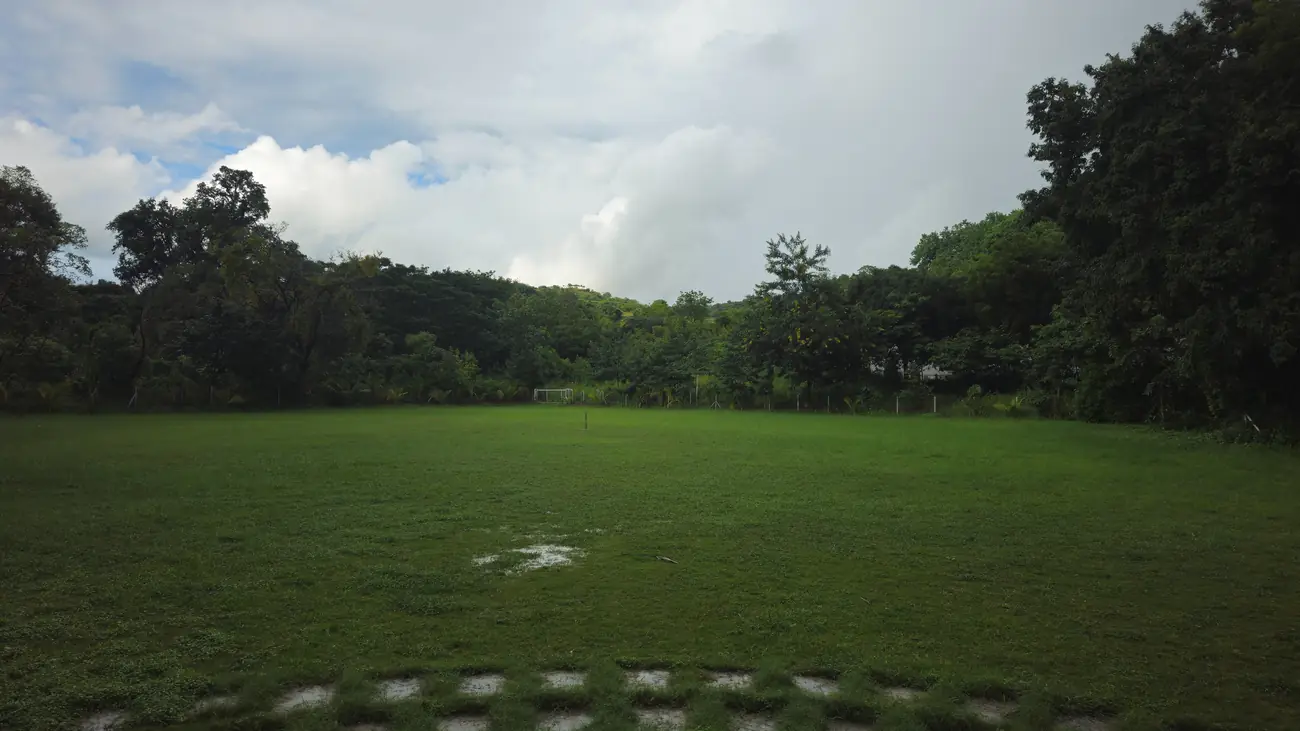
Fifteen acres of forest, birdsong and still water on the banks of the 700-year-old Mombatta Lake — just 8 km from the Ellora Caves.
Best rates when you book direct · Weekday offers Monday–Thursday


Our vision has always been simple — to live in harmony with nature and let our guests experience its raw, untouched beauty with the smallest possible human footprint.
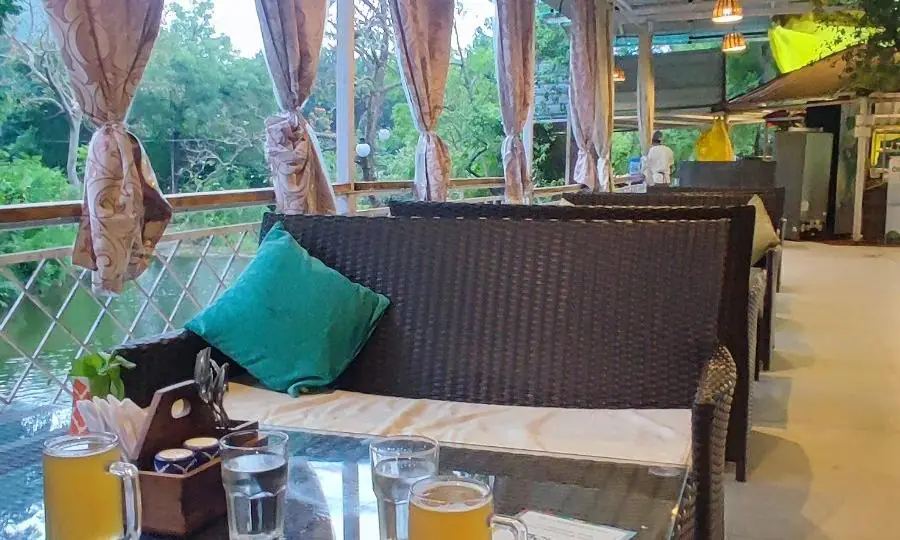
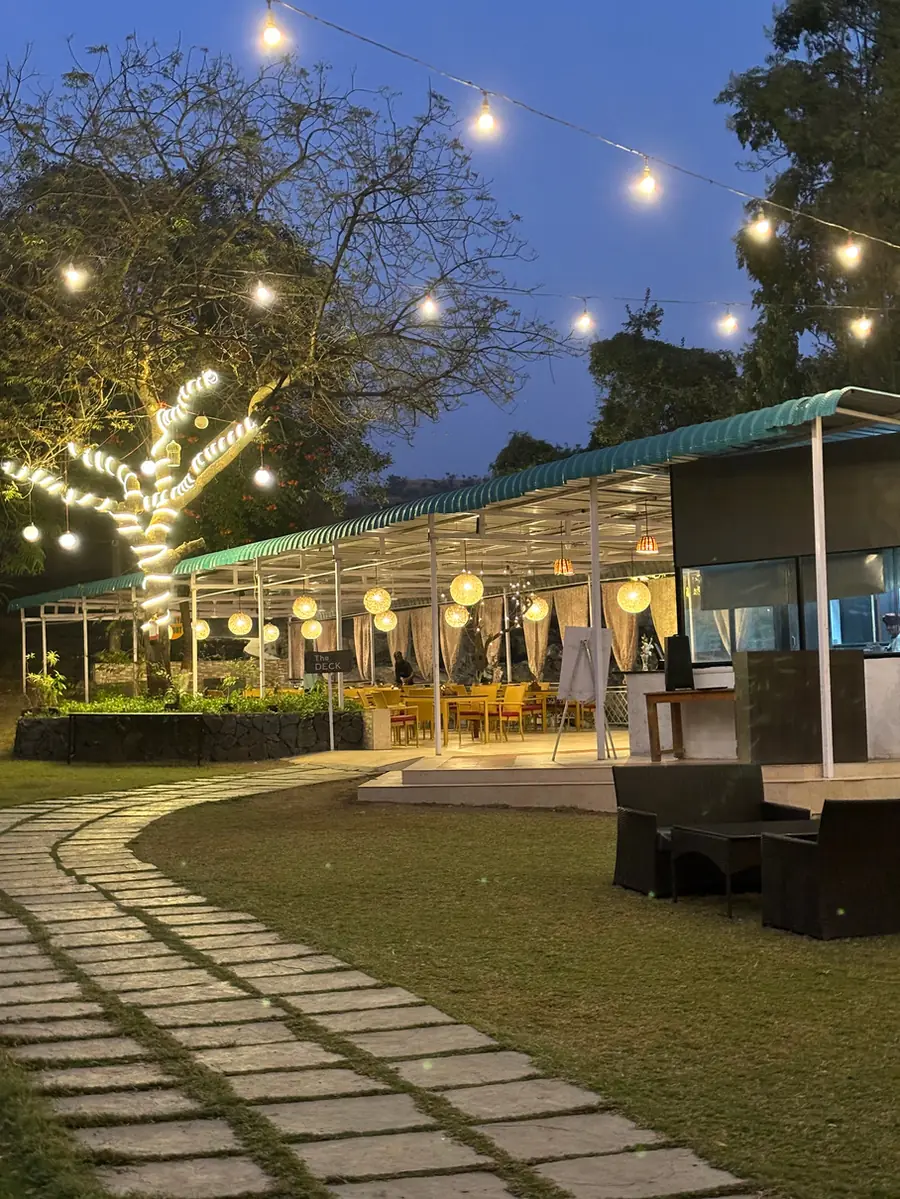
The food here is prepared fresh to order, often with vegetables from our own farm. While it cooks, take a walk along the dam, stroll to the lake for a quiet boat ride, or simply sit back and spot birds, fish and wildlife from the restaurant deck.
We are proud pioneers of the Hurda Party, celebrating the flavours of our land. As a family-run business we employ people from the nearby villages — this is not just a resort, but a home that welcomes everyone, including your four-legged friends.
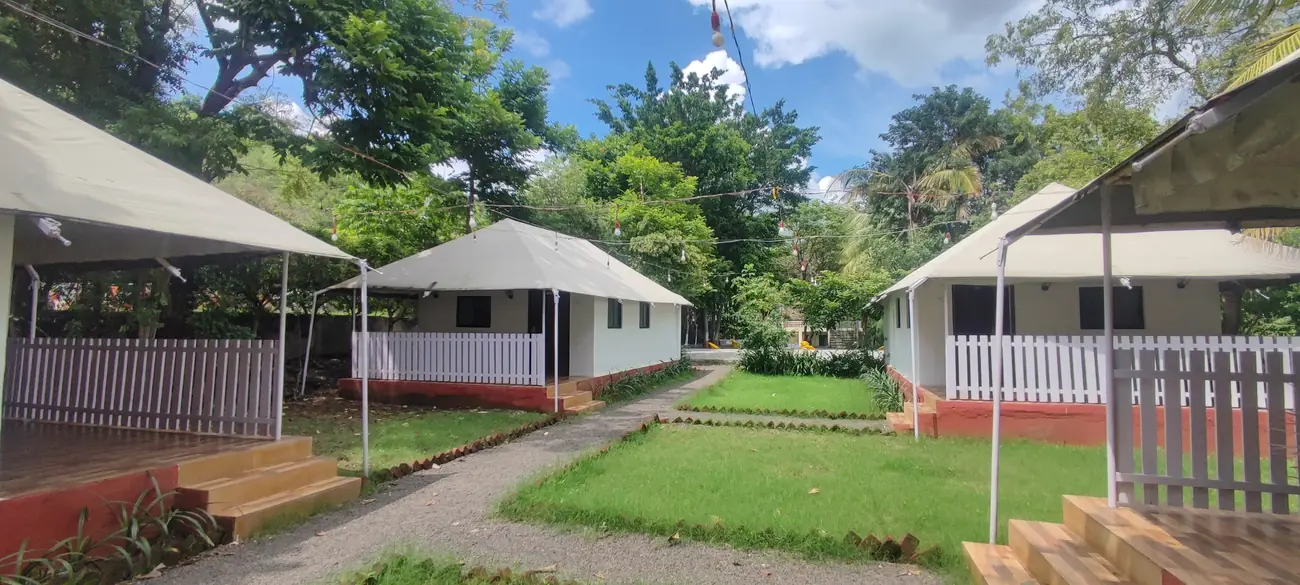
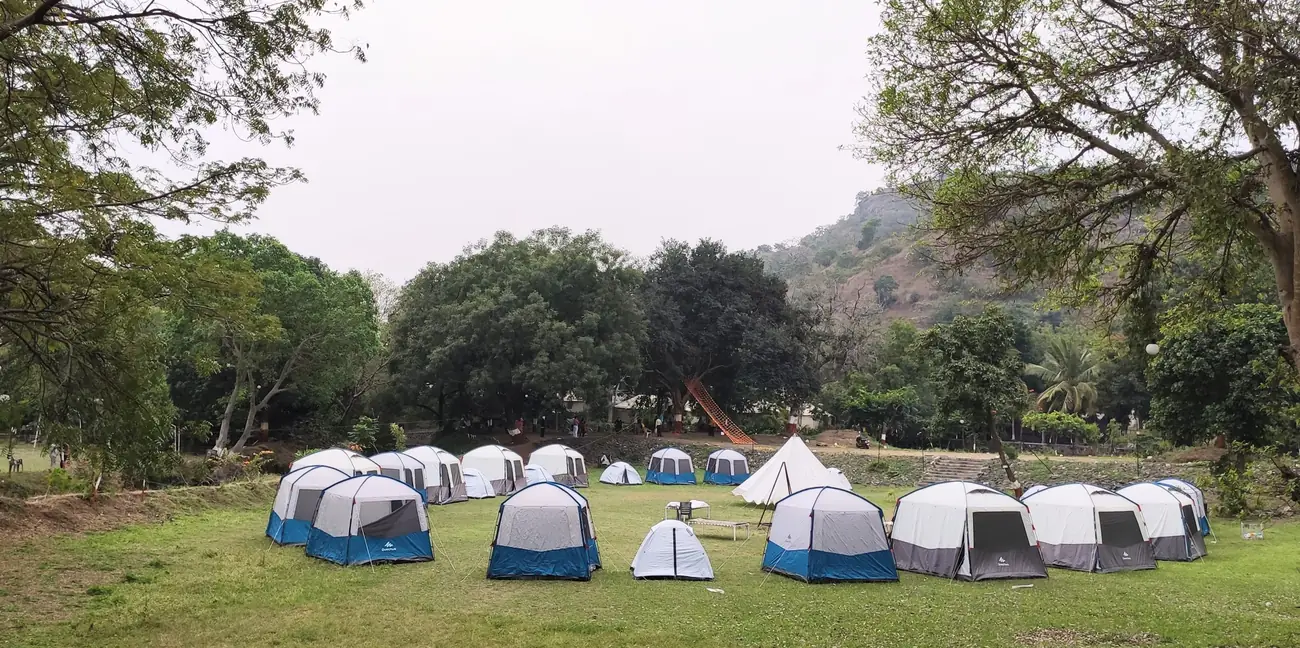
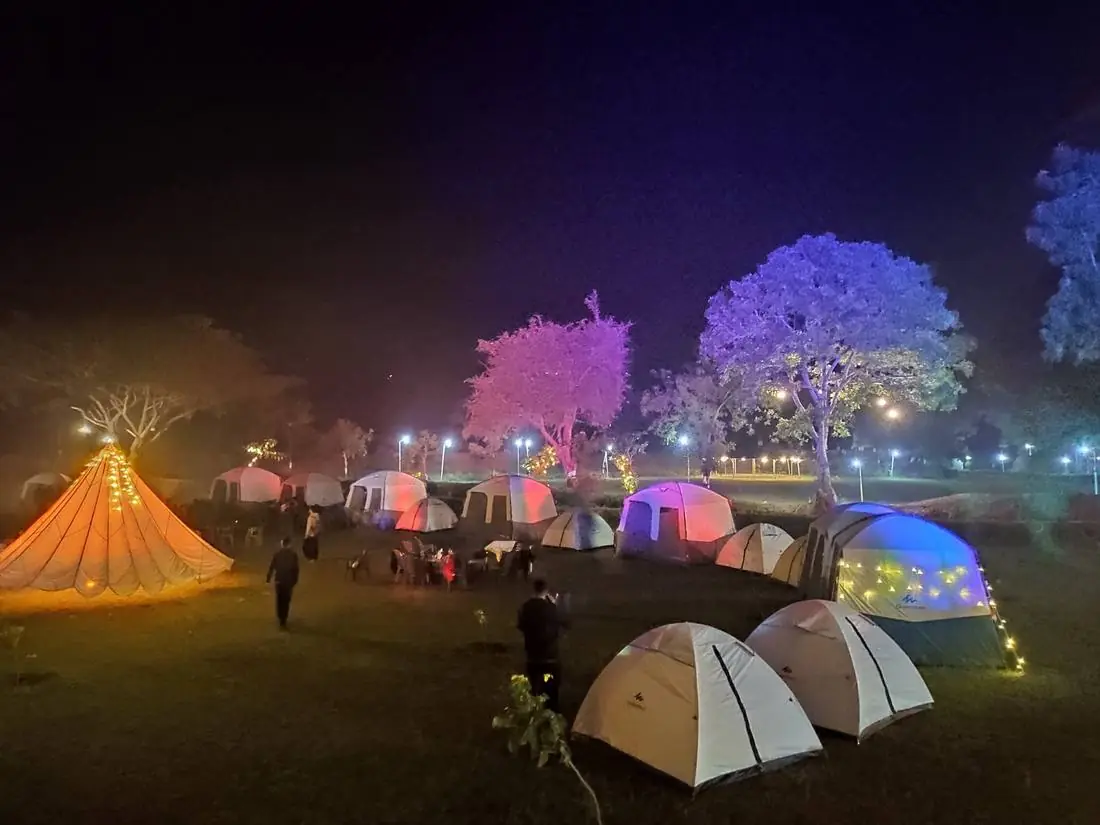
Eleven rooms, nine glamping cottages and twenty camping tents, spread gently across fifteen acres so that the forest, not the buildings, sets the mood.
11 roomsSpacious air-conditioned rooms with mountain views, satellite TV, tea & coffee maker and hot showers. Watch the langurs from your window in the morning.
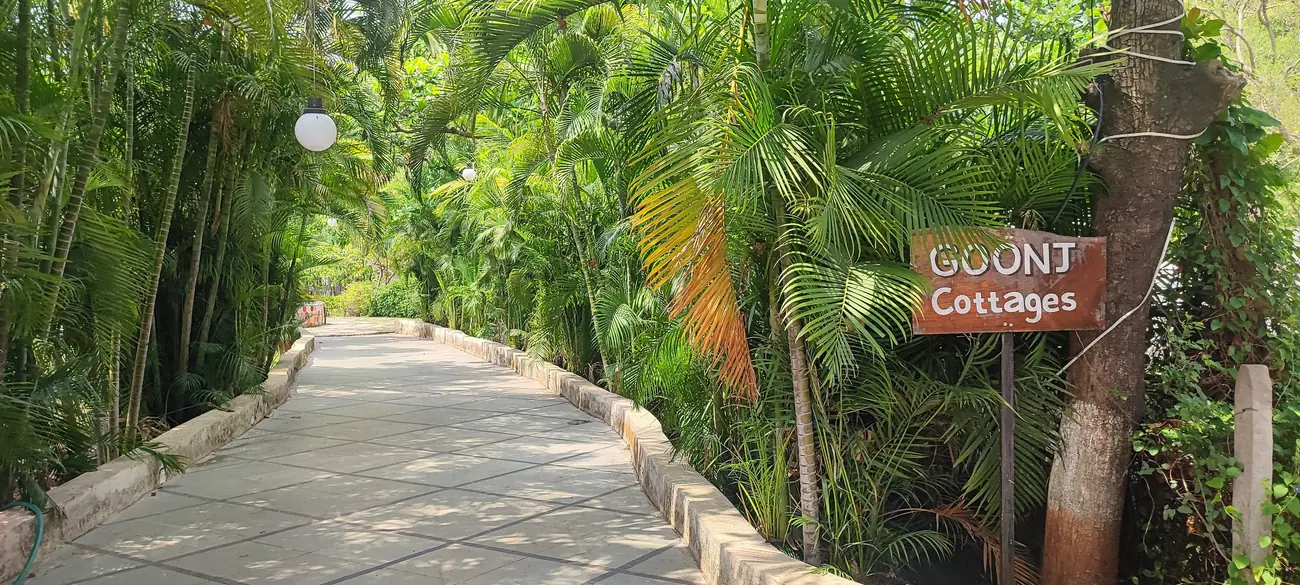
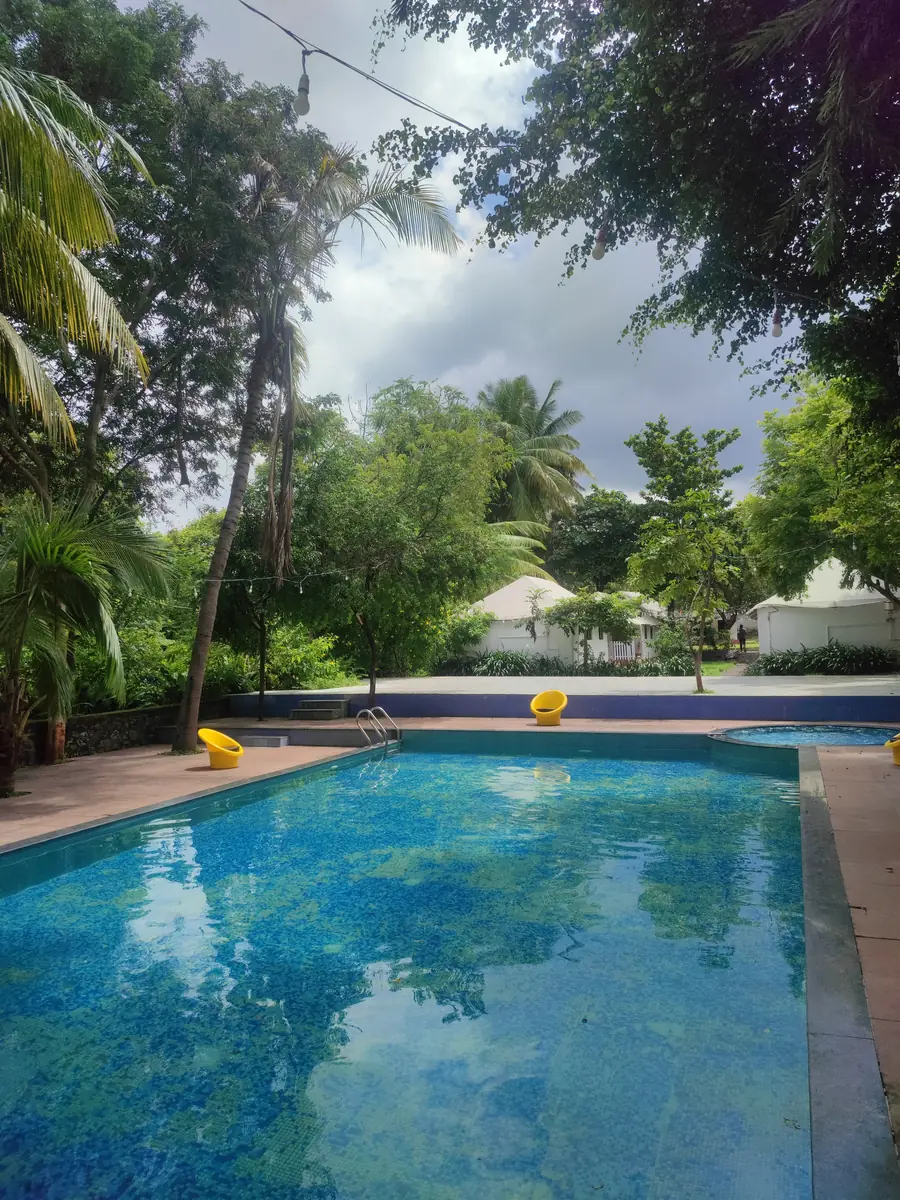
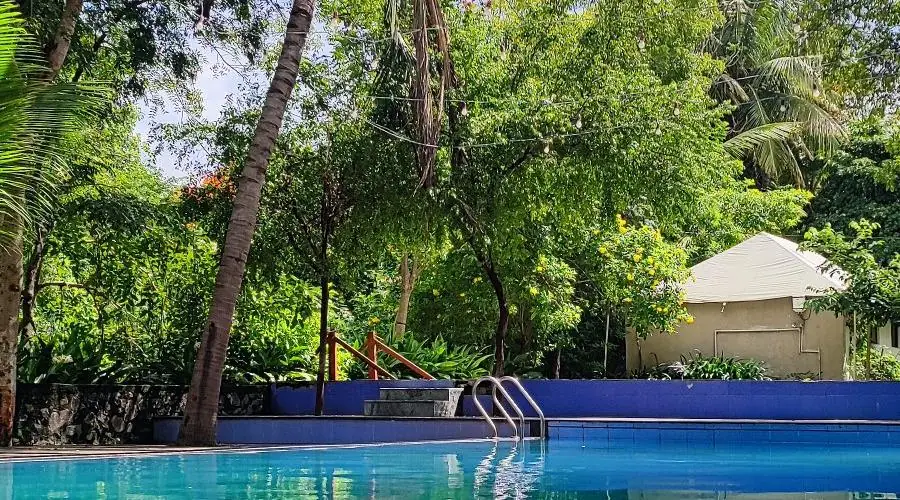
9 cottagesSwiss-style tented cottages and poolside cottages, each with a private bedroom, attached bath and shower, and a veranda that opens straight onto the grass. Wake up to birdsong.
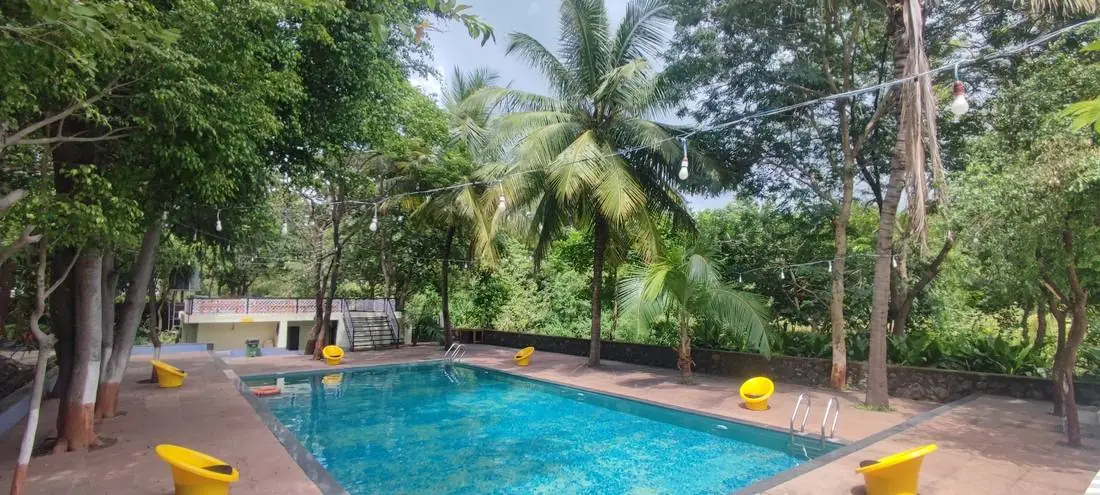
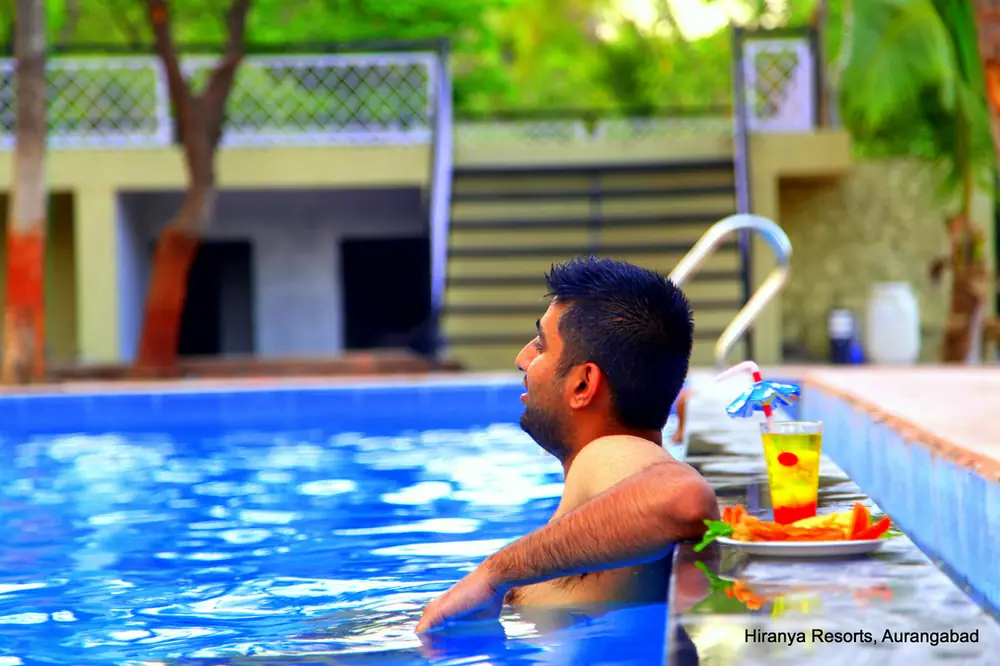
20 tentsFor backpackers, overlanders and the young at heart — bonfire, night treks, Milky Way stargazing and BBQ, with the pool, restaurant and every resort facility close by.
All-inclusive covers breakfast, lunch, hi-tea and dinner · Check your dates for live rates and availability
Stay with breakfast, or let us look after every meal while you look after nothing at all. Pick your dates to see live rates and availability.
Per night, for two guests · live rates when you check dates
Buffets for booked guests
Fresh to order, often with vegetables from our own farm. Jain food on request.
Venues and special packages
Birthdays, corporate retreats, camping nights and custom events — see what we host.
The property is open to guests with confirmed bookings only — walk-ins aren't possible. Please book at least a day before you arrive.
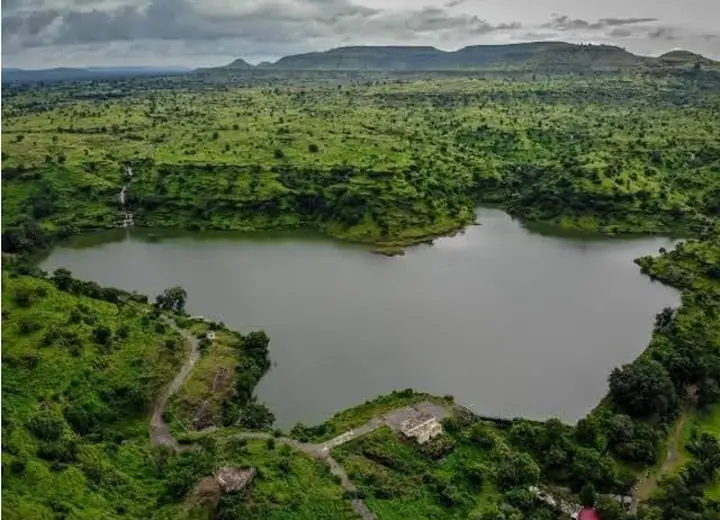
Mombatta Talab was built in the 14th century, when Sultan Muhammad bin Tughlaq moved his capital to Daulatabad Fort in 1327. He brought a community of papermakers — the Kagzis — from Delhi to nearby Kagzipura, and medieval engineers built a siphon-and-gravity system of stone and ceramic pipes to carry the lake's water to ten paper mills.
Artisans harvested kai, a moss from the lake, to make paper that lasted more than a hundred years — paper that carried Mughal imperial decrees for centuries. The system was later woven into Malik Ambar's great network of underground canals.
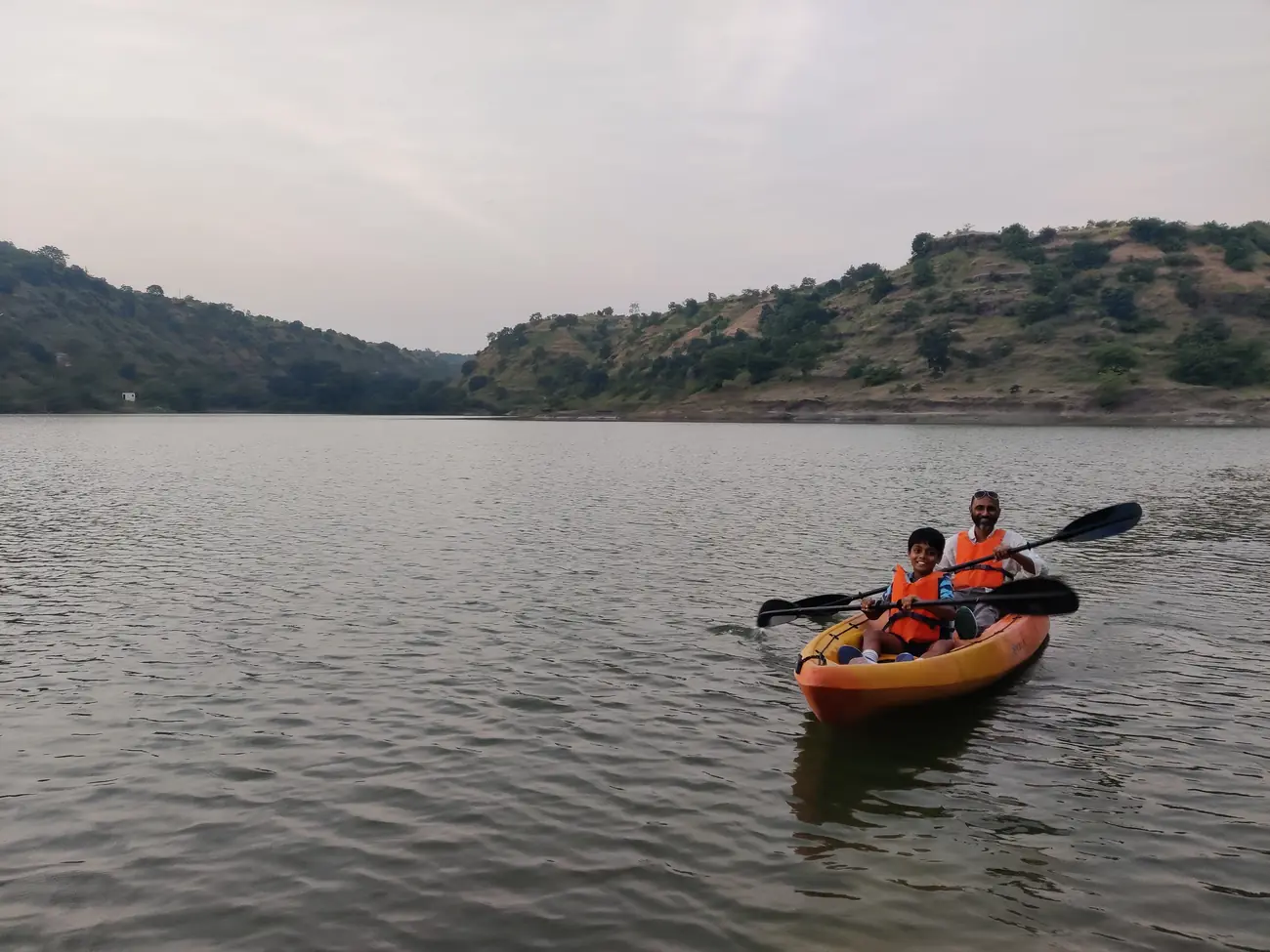
Today the lake is simply still and beautiful. Walk along the dam, paddle out in a kayak, or sit on the deck and watch the kingfishers.

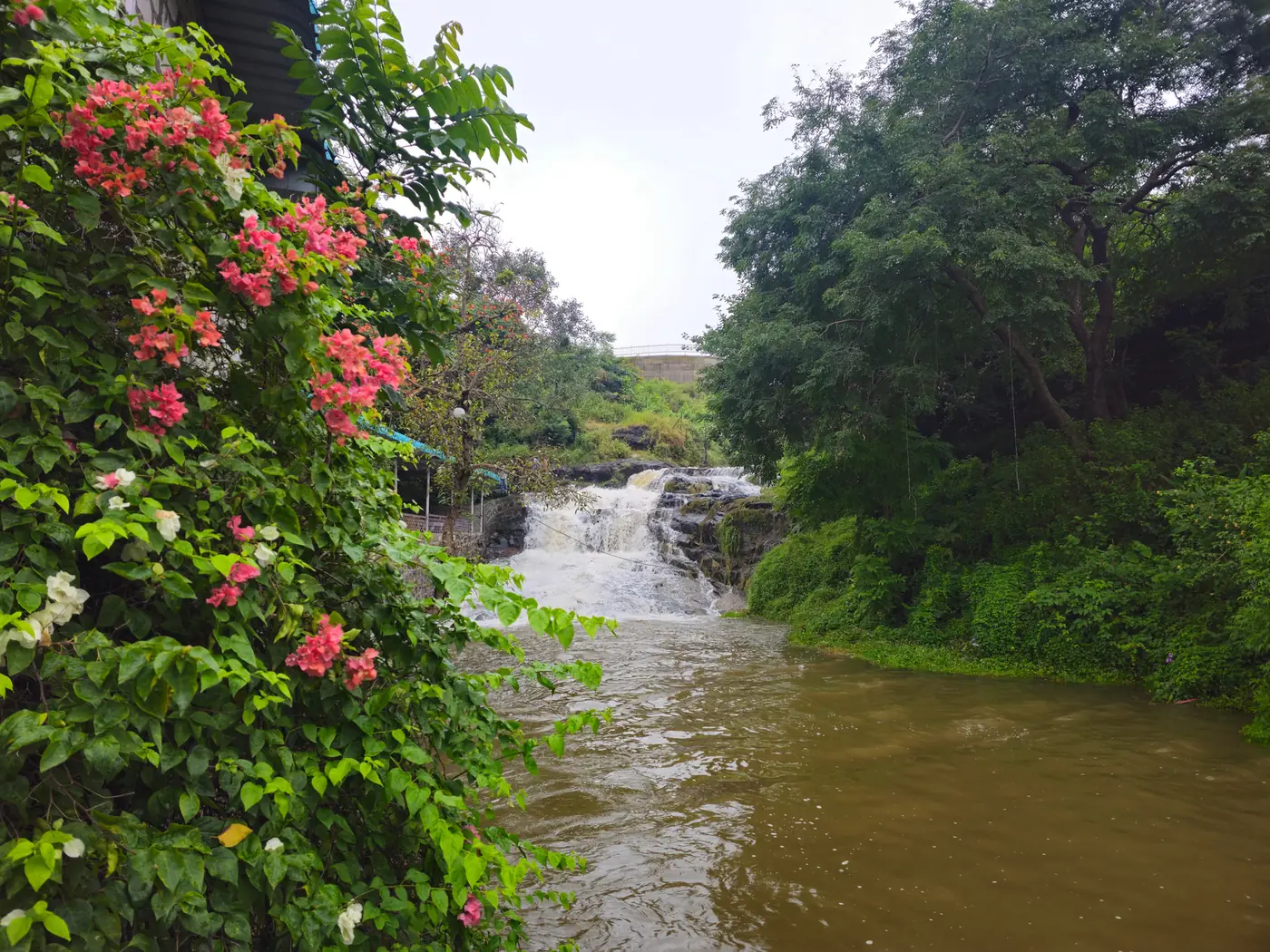
Our restaurant sits beside a waterfall that comes alive every monsoon. Everything is cooked fresh to order — good food takes time, so we ask for about 30 minutes, and invite you to wander, watch the birds or take a boat out while you wait.
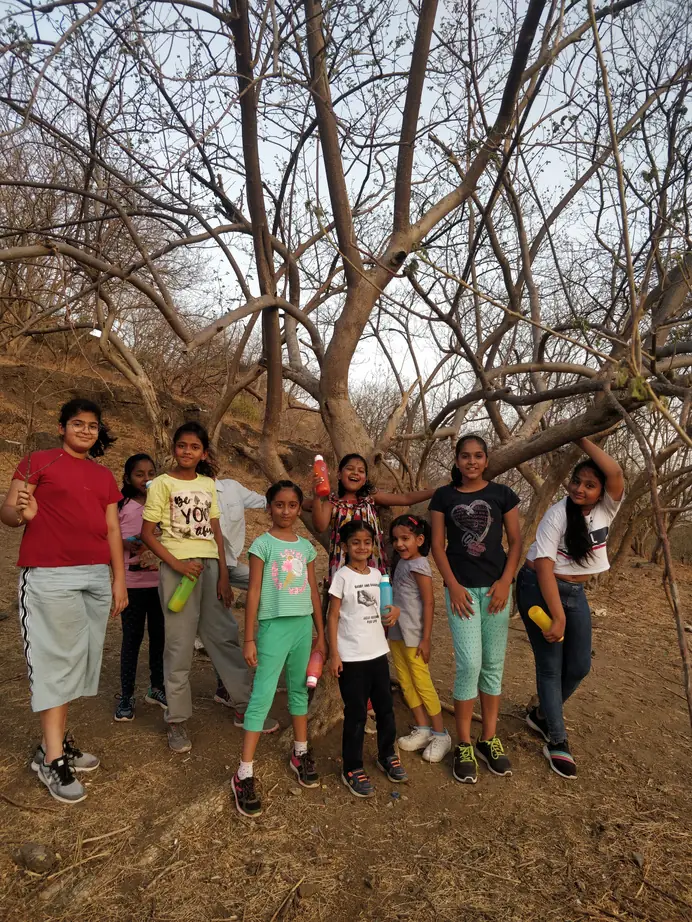
Pitch a tent, roll in with your RV, or set off on a motorcycle expedition. Hiranya is five kilometres from the Samruddhi Expressway — the perfect base for the Deccan.

From misty dawns on the water to fireside nights under the Milky Way — every day at Hiranya moves at nature's pace.
Paddle across the still water as the mist lifts, with kingfishers and herons for company.
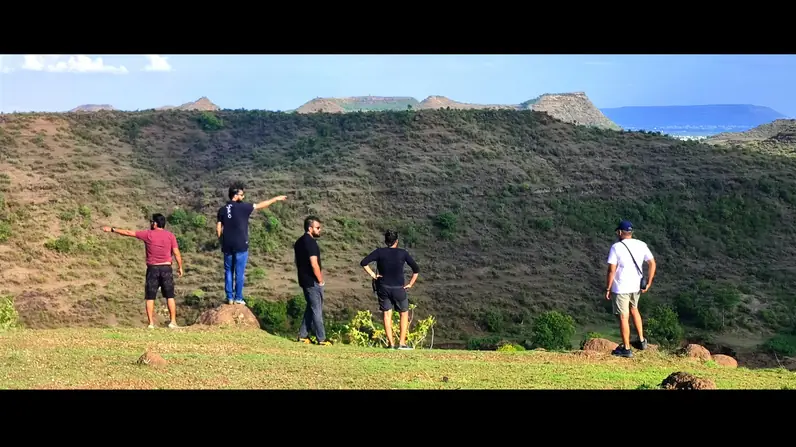
A small-group walk to a ridge with wide views over Daulatabad Fort and the valley.
An early guided ride along quiet roads to the UNESCO caves — 8 km each way.
Fifty-plus species on the lake and in the trees. Photography workshops on request.
Full days with expert guides, including the Kailasa Temple. VIP Grishneshwar darshan available.
Make your own sheet at the historic Kagzipura paper mills, fed by our very lake for centuries.
Rods provided. Find a quiet spot on the shore, or take a slow boat ride on the lake.
Low light pollution means the Milky Way on clear nights. Guided stargazing on request.
Maharashtra's winter tradition of roasting fresh jowar over open fires, with folk music.
Tell us your dates and where you're coming from. We'll put together your stay, meals, guide and pickup, and send it on WhatsApp.
2 nights
3–4 nights
2 nights · Jul – Sep
2 nights · Nov – Jan
2 nights
5–7 nights · weekdaysFrom wild camping and outdoor cinema to motorsport and adventure events, we've spent 20 years setting the standard for outdoor experiences around Sambhajinagar.


Tell us your date, headcount and idea — our events team replies within a few hours.
WhatsApp us


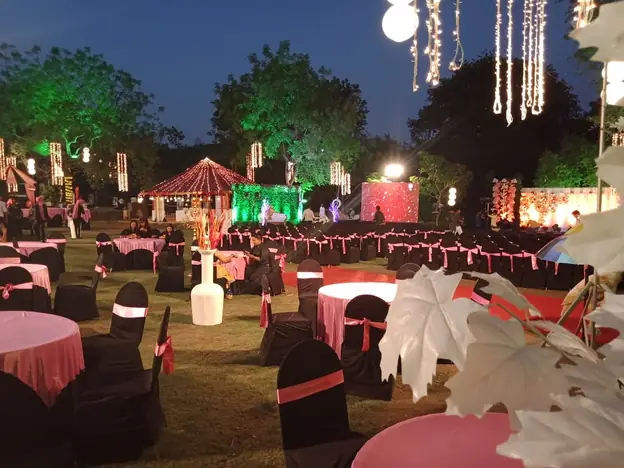
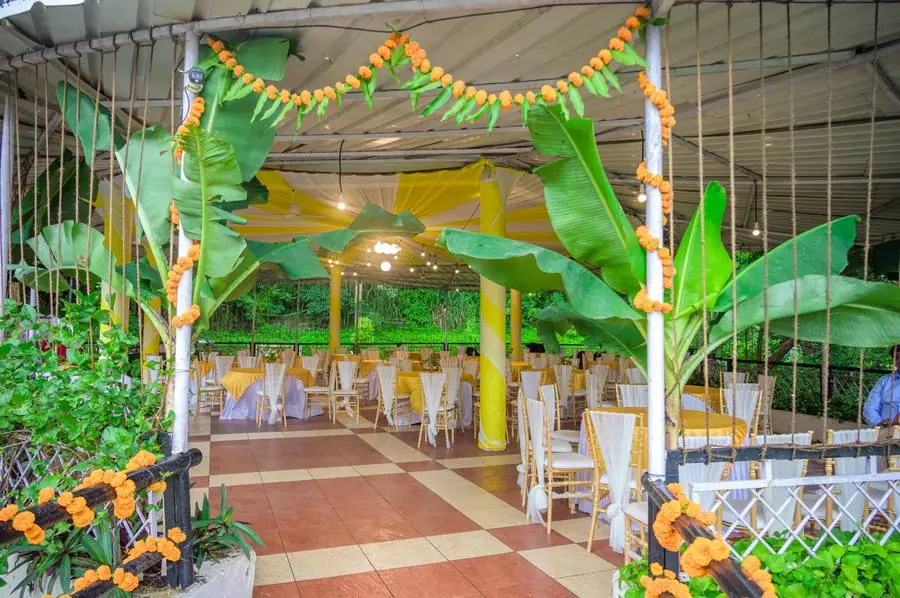
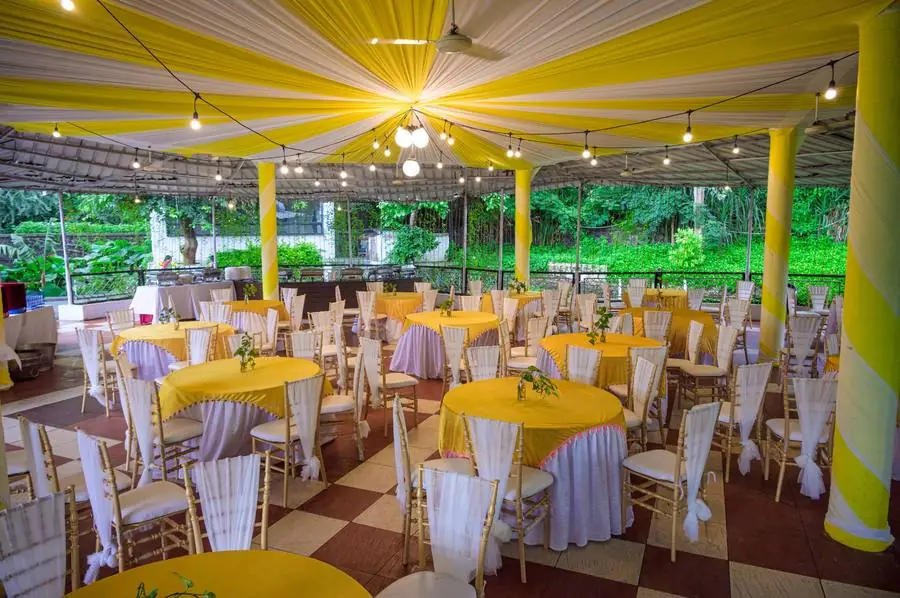
Green lawns, a centuries-old lake, the fort on the horizon and a waterfall in the monsoon — Hiranya has hosted more than 40 weddings, from intimate family ceremonies to celebrations for 1,500.
The lake and forest draw more than fifty species through the year. Here are twenty you're likely to meet — hover or tap a card to learn their secrets.
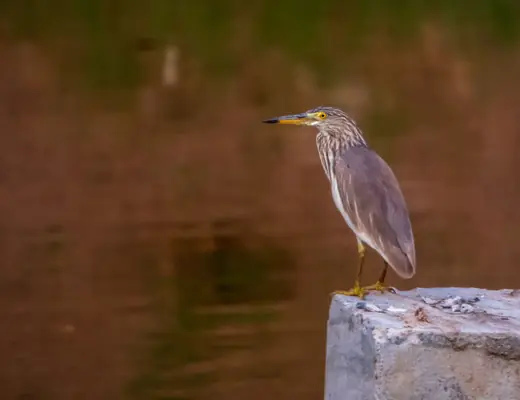
Indian Pond HeronA small, compact heron with an earthy brown back when perched, but it flashes bright white wings as it takes off.
Its camouflage is so good that it often stands completely still until you're just a few feet away.
Birds of Hiranya
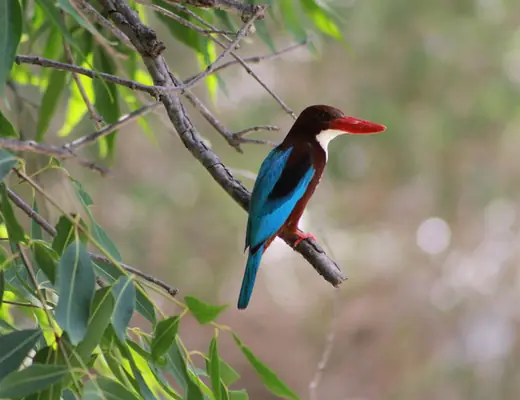
White-throated KingfisherBright turquoise-blue wings, a chocolate-brown head and belly, and a stark white chest patch.
Unlike many kingfishers it doesn't rely on fish — it hunts lizards, frogs and large insects far from water.
Birds of Hiranya
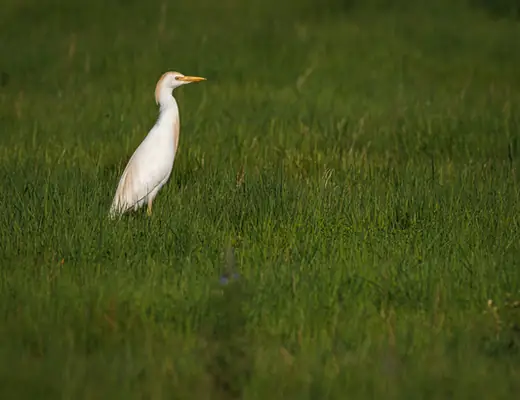
Cattle EgretA pure white bird with a yellow bill that turns soft orange-buff on the head and chest in the breeding season.
It follows grazing cattle and tractors to snap up insects and small reptiles stirred from the grass.
Birds of Hiranya
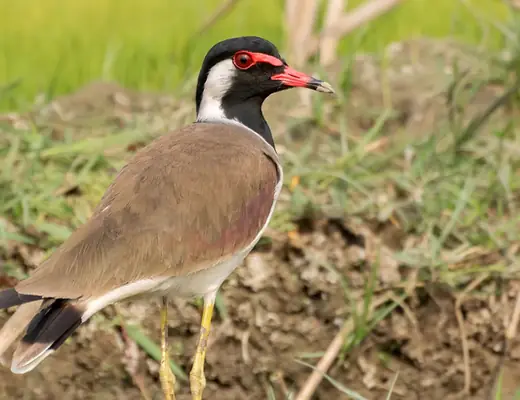
Red-wattled LapwingA ground-dwelling bird with a black crown, brown back, white belly and fleshy red wattles before its eyes.
Its loud alarm call sounds like “did-he-do-it?” and warns all the neighbouring wildlife.
Birds of Hiranya
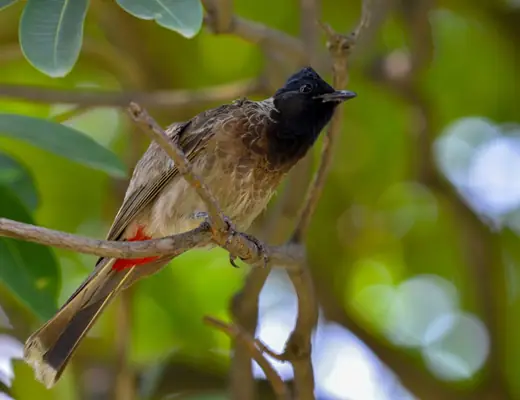
Red-vented BulbulA dark brown to black bird with a slight crest and a bright red patch under its tail.
Bulbuls help the forest regrow by spreading the seeds of native plants and trees.
Birds of Hiranya
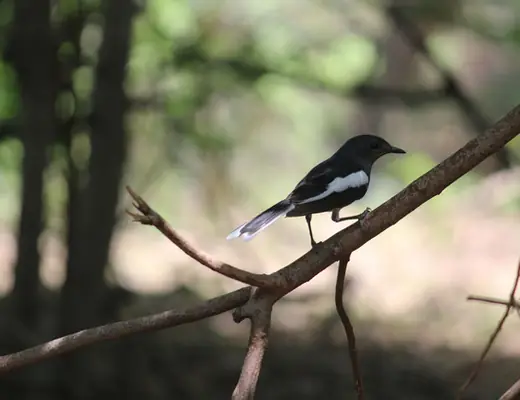
Oriental Magpie RobinA bold black-and-white songbird with an upright, cocked tail — males glossy black, females grey.
Males mimic the calls of other birds to defend their territory, and are prized for their rich song.
Birds of Hiranya
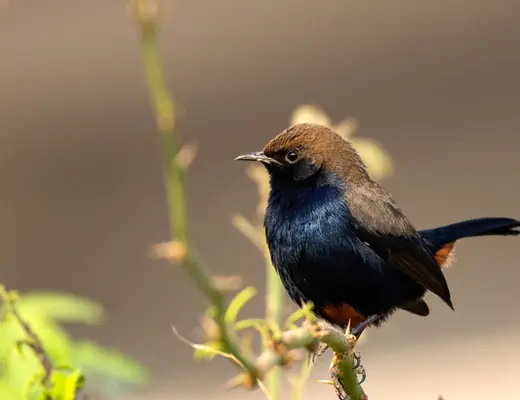
Indian RobinMales are black with a white shoulder patch, females earthy brown; both have a chestnut-red patch under the tail.
It forages near rocks and paths, flicking its tail straight up with almost every step.
Birds of Hiranya
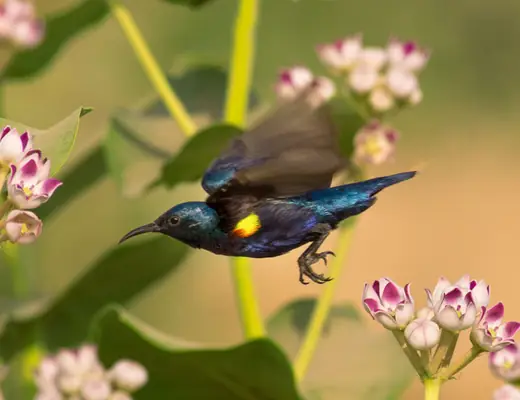
Purple SunbirdA tiny nectar-feeder. Males look dark from afar but shine metallic blue-purple in sunlight.
It can hover in front of flowers like a hummingbird while it sips nectar through its curved bill.
Birds of Hiranya
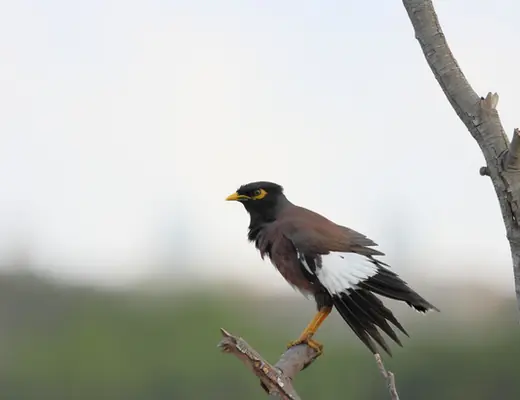
Common MynaA brown bird with a black head, bright yellow beak and legs, and white wing patches in flight.
Mynas pair for life and often return to exactly the same nesting spot year after year.
Birds of Hiranya
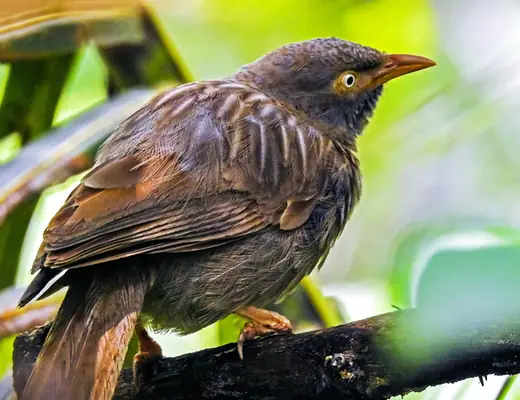
Jungle BabblerA brownish-grey bird with a pale yellow bill, yellowish eyes and delightfully rumpled feathers.
Known as the “Seven Sisters” because they move and forage in noisy groups of seven to ten.
Birds of Hiranya
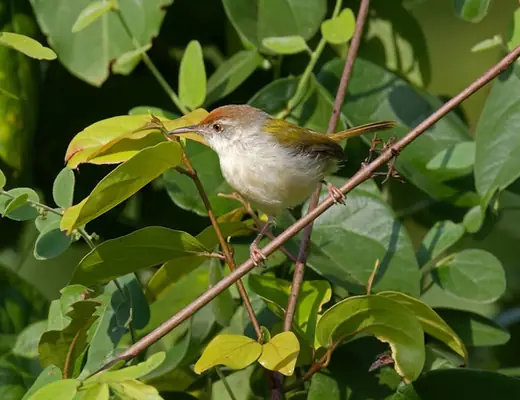
Common TailorbirdA tiny, busy olive-green bird with a rust-coloured crown and a long tail held upright.
True to its name, it stitches large leaves together with plant fibre or spider silk to make its nest.
Birds of Hiranya
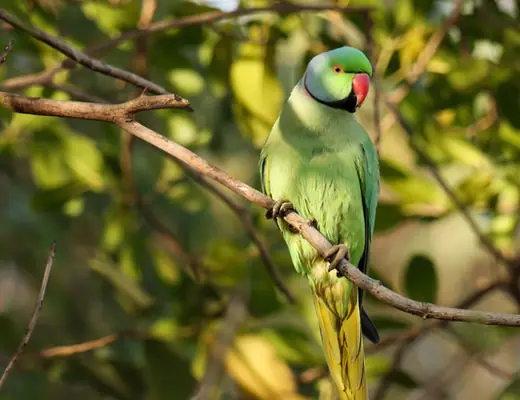
Rose-ringed ParakeetA bright lime-green parakeet with a long pointed tail and a red hooked beak; males wear a pink-and-black collar.
They nest in tree hollows and in crevices of old stone walls — look for them around Daulatabad Fort.
Birds of Hiranya
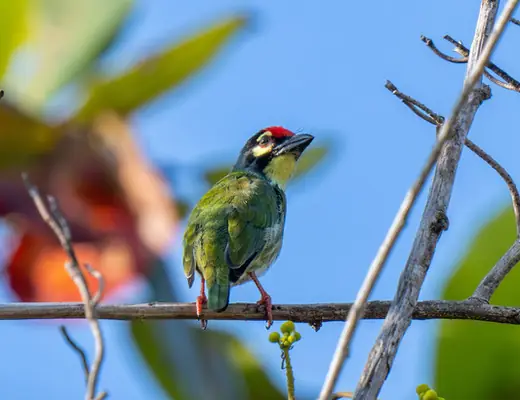
Coppersmith BarbetA stout green bird with a crimson forehead and chest patch, yellow eye-rings and a heavy bill.
Its metallic “tuk-tuk-tuk” sounds just like a coppersmith striking metal with a hammer.
Birds of Hiranya
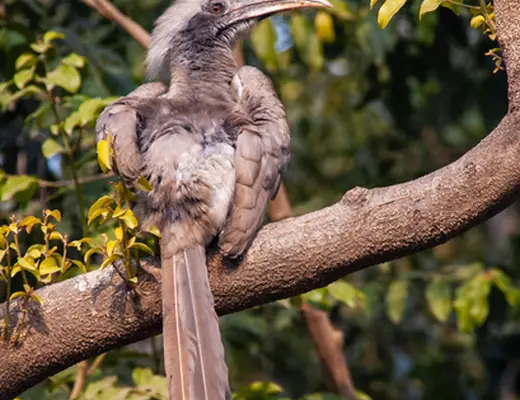
Indian Grey HornbillA large grey-and-white bird with a long curved beak topped by a small casque.
While nesting, the female seals herself into a tree hollow with mud, and the male feeds her through a slit for weeks.
Birds of Hiranya
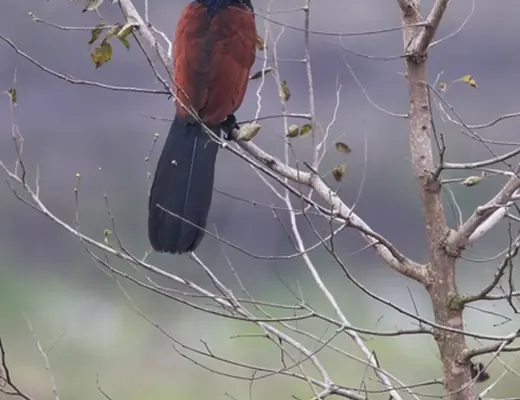
Greater CoucalA large bird with a glossy black body, deep chestnut wings and bright red eyes.
Though it's a cuckoo, it builds its own domed twig nest instead of laying eggs in other birds' nests.
Birds of Hiranya
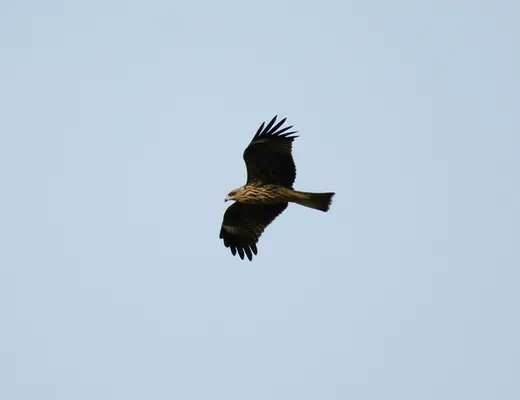
Black KiteA dark brown raptor often seen soaring on warm air currents over the hills and open land.
You can spot it in flight by its shallow forked tail, which it uses like a rudder.
Birds of Hiranya
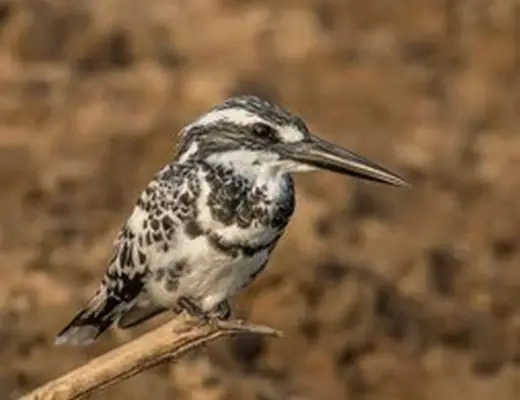
Pied KingfisherA crisp black-and-white kingfisher with a fine crest and a heavy black beak.
It hovers perfectly still high above the water before plunging headfirst after a fish.
Birds of Hiranya
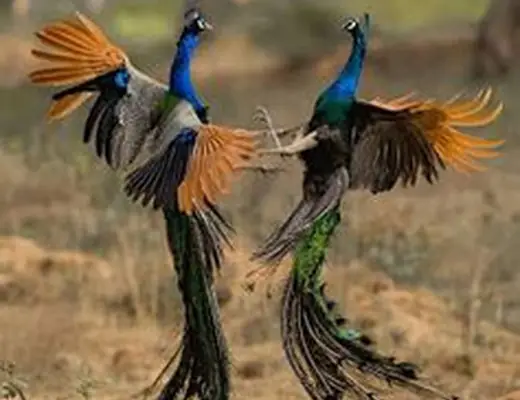
Indian PeafowlIndia's national bird: males have an iridescent blue-green neck and a long train of eye-spotted feathers.
Despite that long train, peacocks fly up into tall trees to roost safely overnight.
Birds of Hiranya
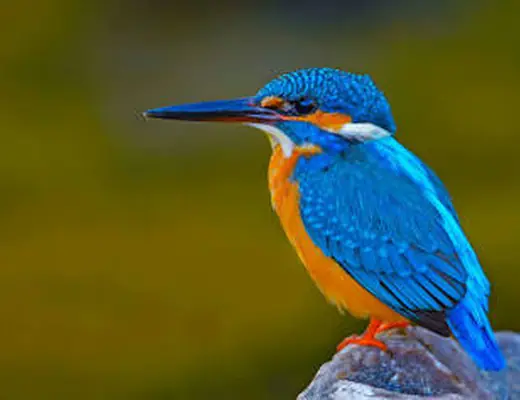
Common KingfisherA sparrow-sized bird with vivid turquoise-blue upperparts, bright orange underparts and a long straight bill.
It flies low over the water at up to 40 km/h — a quick streak of metallic blue.
Birds of Hiranya
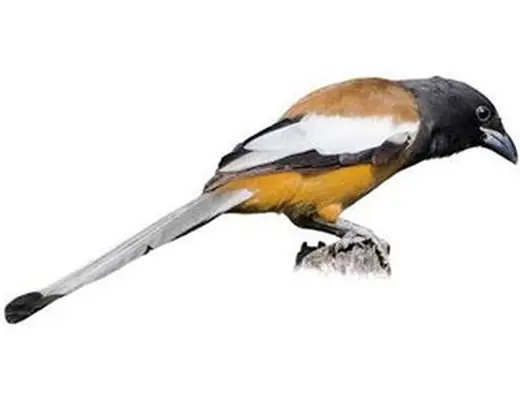
Rufous TreepieA relative of crows and magpies, with a cinnamon body, dark grey head and long slender tail.
Curious and bold, it often visits garden branches and the resort's perches looking for fruit.
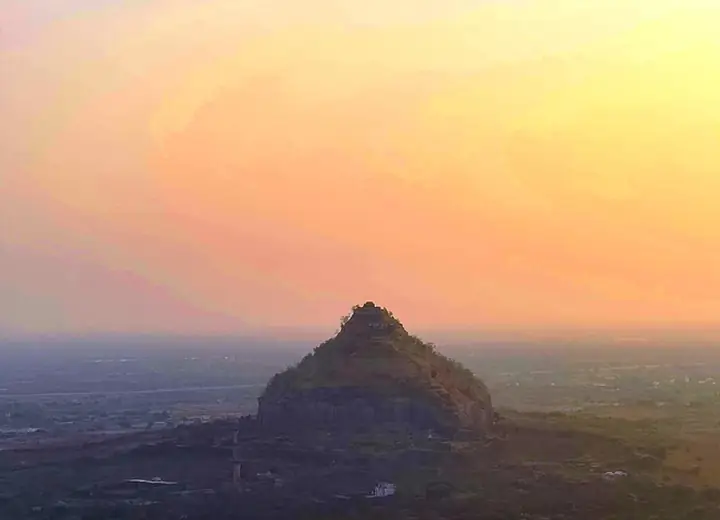
Birds of HiranyaOne kilometre from Hiranya, a lone cone of black basalt rises out of the valley. For 800 years, whoever held it held the Deccan. This is the story of Devagiri, the hill of the gods, which became Daulatabad, the city of fortune.
Why it mattered: Devagiri sat where the trade routes from the north met the Deccan plateau. Its spiked gates, false doors, moat and pitch-black tunnel made it one of the hardest forts in India to storm, and most rulers who won it did so by long siege or by bargain rather than by force.
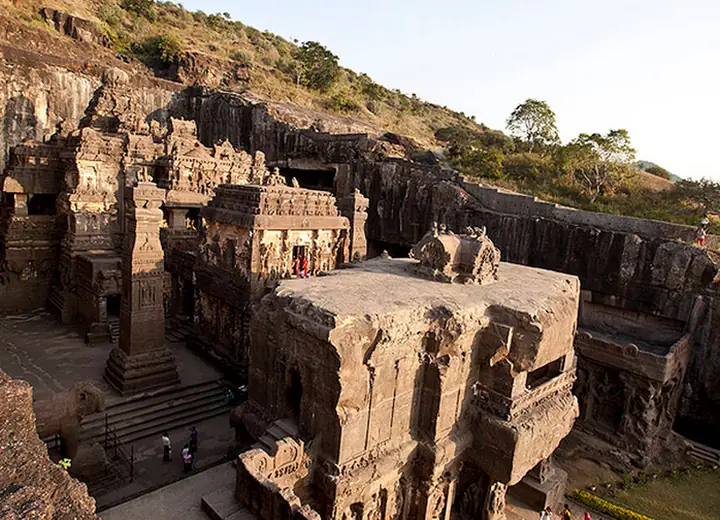
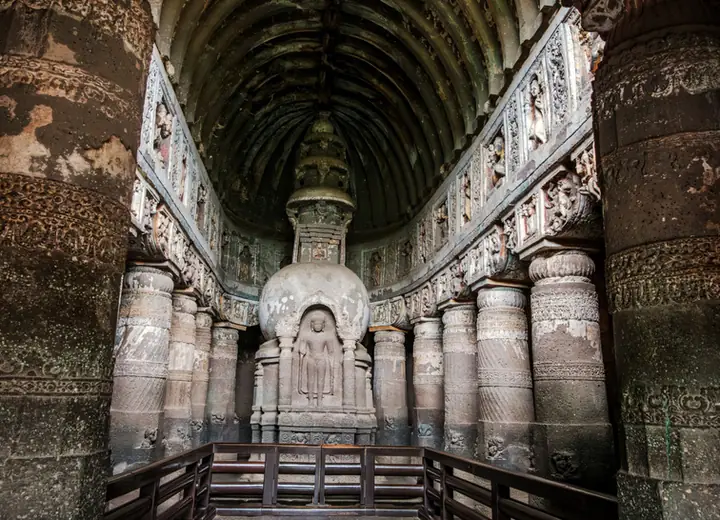
Carved into the basalt of the Charanandri Hills between about 600 and 1000 CE, Ellora is one of the few places on earth where Buddhist, Hindu and Jain monuments stand side by side: 12 Buddhist caves (1–12), 17 Hindu caves (13–29) and 5 Jain caves (30–34) are open to visitors. The Kailasa Temple, Cave 16, was cut from the top down out of a single cliff under the Rashtrakuta king Krishna I (756–773 CE). Around 200,000 tonnes of rock were removed, and it covers twice the area of the Parthenon.
Hidden in a ravine of the Satmala range, Pitalkhora's 14 Buddhist caves (4 prayer halls and 10 monasteries) were begun around the 3rd–2nd century BCE, centuries before Ellora. Look for the frieze of stone elephants, the sculpted guardian soldiers and faded Mahayana-era paintings, along with an ancient rainwater-harvesting system. Scholars think it may be the Petrigala mentioned by the Greek geographer Ptolemy.
We sit between Daulatabad Fort and the Ellora Caves, in one of India's richest corners for history. Drag to explore.
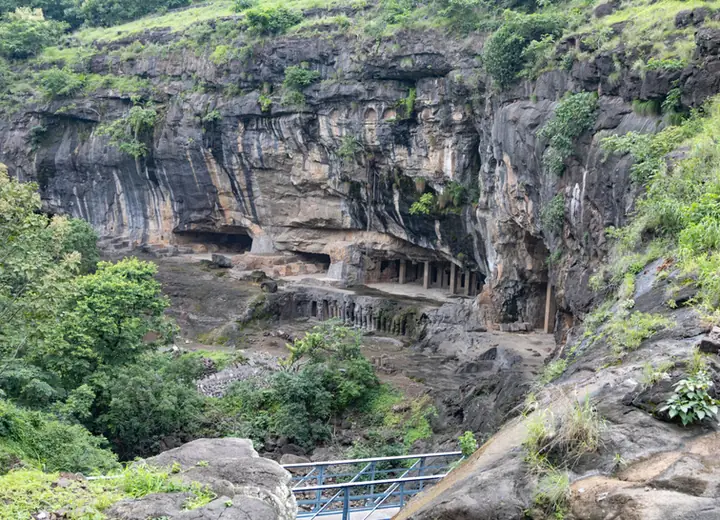
8 kmThirty-four rock-cut temples of the Hindu, Buddhist and Jain faiths, carved into the Charanandri Hills between the 6th and 10th centuries. The Kailasa Temple was carved top-down from a single basalt cliff.
In 1682 Aurangzeb sent 1,000 workers to destroy the Kailasa Temple. After three years they had chipped away only a few sculptures and gave up.
1 kmOne of India's most formidable medieval fortresses, on a 200-metre conical hill, with concentric walls, a moat and the Andhari — a pitch-black spiral passage full of false turns and trapdoors.
In 1327 Muhammad bin Tughlaq marched the entire population of Delhi 1,000 km south to make Daulatabad his capital — then marched them back a few years later.
Right hereA scenic medieval reservoir at the foot of the hills, and the heart of a 14th-century water system of underground aqueducts and clay pipelines that ran on gravity alone.
Its buried terracotta pipes were pressurised so well that they carried fresh water for miles without a single pump.
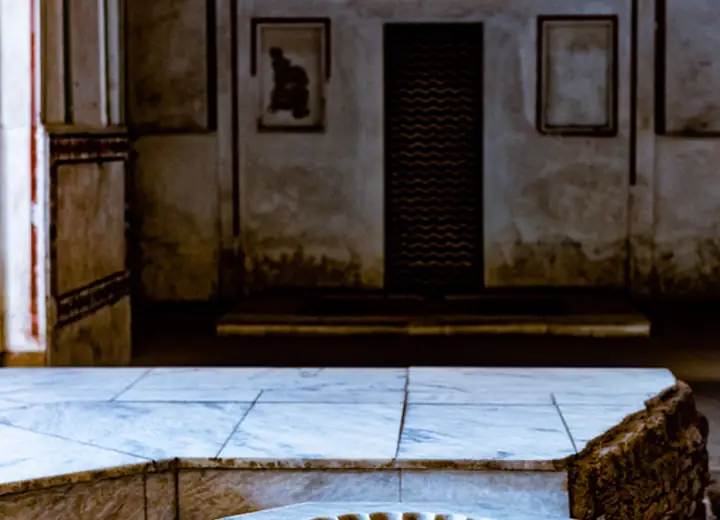
~1 kmA well-preserved Mughal royal bathhouse opposite the fort gate, with vaulted ceilings, star-shaped skylights and marble fountains.
Fires under copper cauldrons sent hot air through hollow floor tiles — medieval underfloor heating.
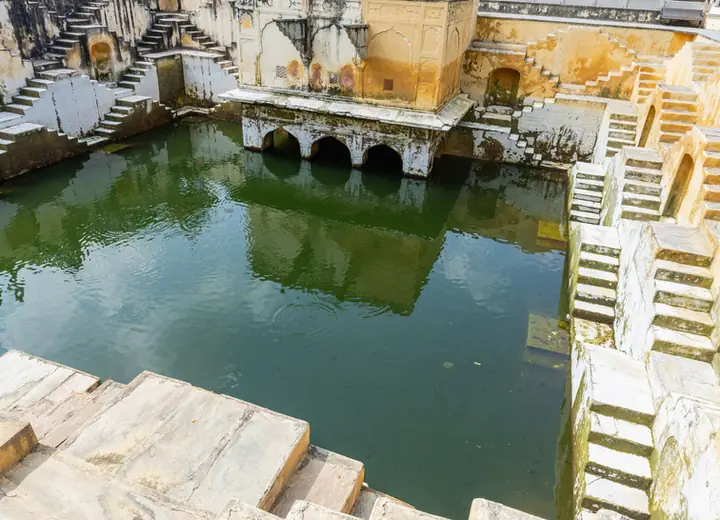
Near ElloraA stepped water tank near the Ellora entrance and Grishneshwar Temple, built to collect monsoon runoff for pilgrims through the dry months.
Its inverted-pyramid stairs let hundreds of people reach the water at once without crowding.
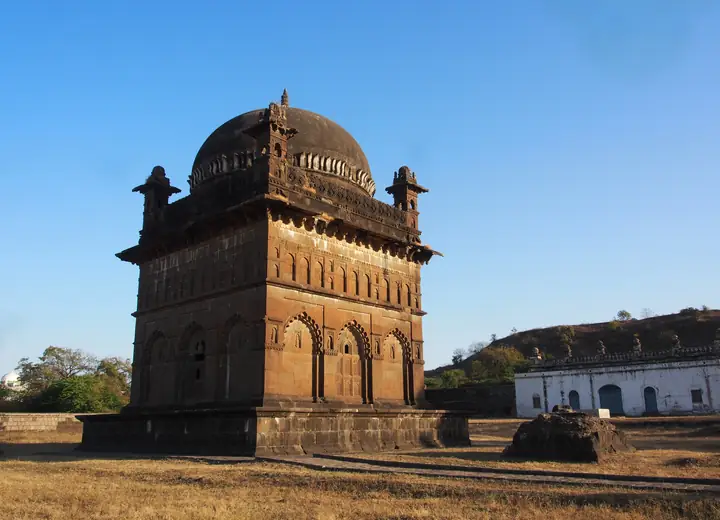
KhuldabadThe domed mausoleum of Malik Ambar, the Ethiopian-born general and prime minister of the Ahmadnagar Sultanate, who pioneered guerrilla warfare in the Deccan.
He arrived in India as an enslaved mercenary and rose to become the kingdom's de facto ruler and the Mughals' great rival.
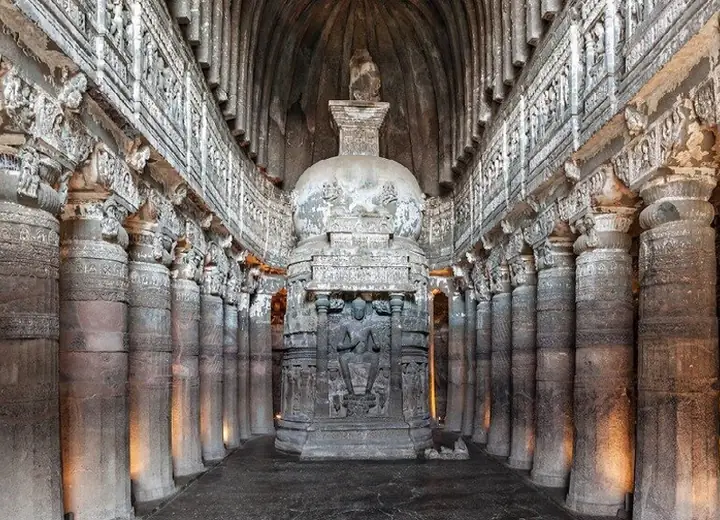
120 kmThirty Buddhist cave monuments in a horseshoe gorge above the Waghur River, famous for murals of the life of the Buddha painted over 2,000 years ago.
Hidden by jungle for nearly 1,000 years, they were found in 1819 by a British officer chasing a tiger.
Sambhajinagar cityTwelve Buddhist shrines from the 6th–8th centuries, with rare carvings of female deities like Tara and a famous panel of a court dancer in Cave 7.
Though close to the city, they're far quieter than Ellora or Ajanta — perfect for a peaceful visit.
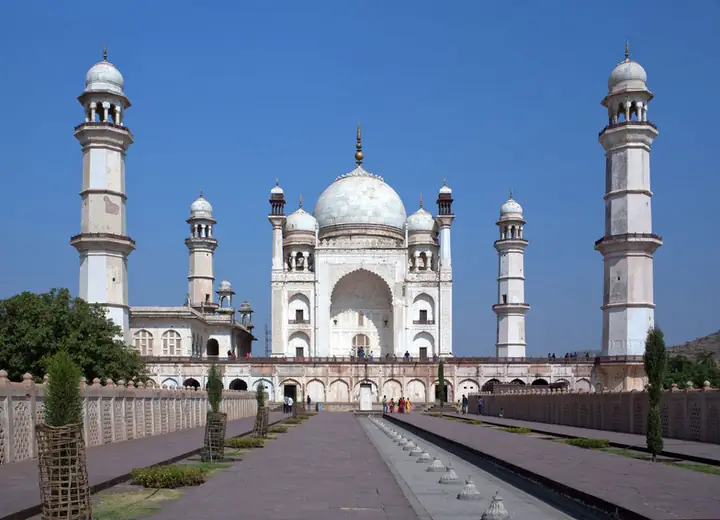
Sambhajinagar cityBuilt in 1660 by Prince Azam Shah for his mother, and celebrated as the “Taj of the Deccan”, with charbagh gardens and four minarets.
The Taj Mahal cost around ₹3.2 crore; the Maqbara was built for ₹6.6 lakh, using polished lime plaster and saving marble for the dome.
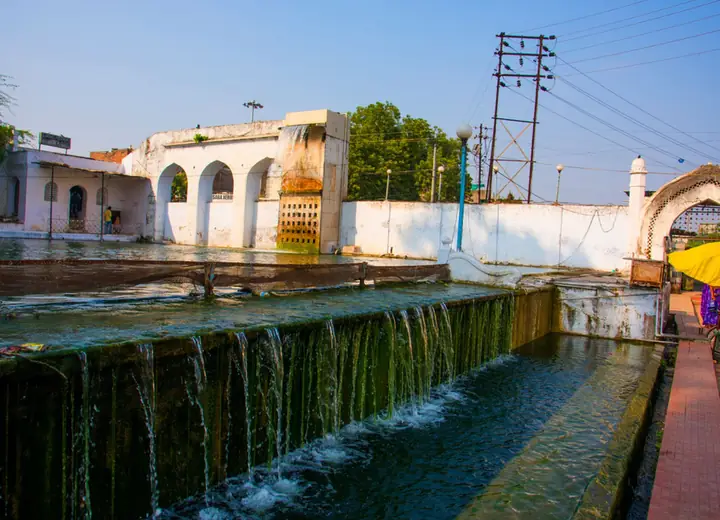
Sambhajinagar cityA 17th-century water mill honouring the Sufi saint Baba Shah Musafir, where water dropped down a chute to turn a turbine that ground grain for pilgrims.
Its water comes from a spring over 6 km away, flowing underground without any artificial power.
Chandora hillsFourteen early Buddhist caves from the 2nd century BCE, hidden in a secluded ravine near Gautala, with stone elephants and painted pillars.
Its builders carved hidden gutters behind the walls so monsoon rain wouldn't ruin the sculptures.
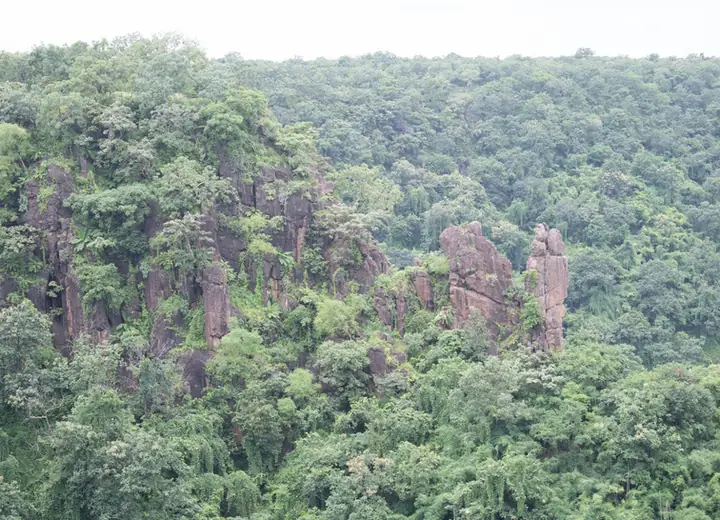
Western GhatsMore than 260 sq km of dry deciduous forest, valleys and grassland, home to leopards, sloth bears, chinkara and over 230 bird species.
Local folklore links the nearby village of Gautala to the ancient home of Maharishi Gautama.
Mist on Mombatta Lake, langurs on the bridge, bonfires under the Milky Way. Our own films, straight from the resort. New videos appear here as soon as we post them.
Upcoming events, deals and offers, plus everyday moments from the lake. Follow us so you don't miss the next Hurda night or monsoon special.
Twenty-four pages of the resort, its birds, its history and its packages. Turn the pages here, or download it to share.
Read what thousands of guests say about our rooms, tents, food and the lakeside setting — and leave a review after your stay.
Read Google reviews → TripAdvisorRated 4.1 out of 5 by travellers across 105 TripAdvisor reviews.
Read TripAdvisor reviews → FacebookPhotos, event highlights and reviews from weddings, overlanding groups and families who have stayed with us.
Visit our Facebook page →History, nature and travel tips from the ancient landscape around Hiranya — Ellora, Daulatabad, Malik Ambar, Grishneshwar and beyond.
Can't find what you're looking for? Ask our assistant, or call the front desk on +91 90494 27222.
On the Ellora Road, beside Mombatta Lake — between Daulatabad Fort and the Ellora Caves.
Call, WhatsApp or book online. Our team replies within hours and will help you plan the perfect stay.
Open to guests with confirmed bookings only · Please book at least a day before arrival · Outside food & alcohol not allowed
Tell us about your visit — we'll reply with availability and options within 2 hours.
Your enquiry is on its way. We'll call you back shortly.
Weddings, retreats, parties or something unusual — tell us what you have in mind.
Our events team will be in touch within a few hours.
Tents, RVs or a motorcycle expedition — we'll set everything up.
We'll confirm your campsite and plan within 2 hours.