The Panchakki (Flour Mill) complex in Aurangabad is one of those places that surprises even repeat visitors. The name is straightforward — it is a mill that grinds (or ground) grain — but the engineering that drives it is anything but.
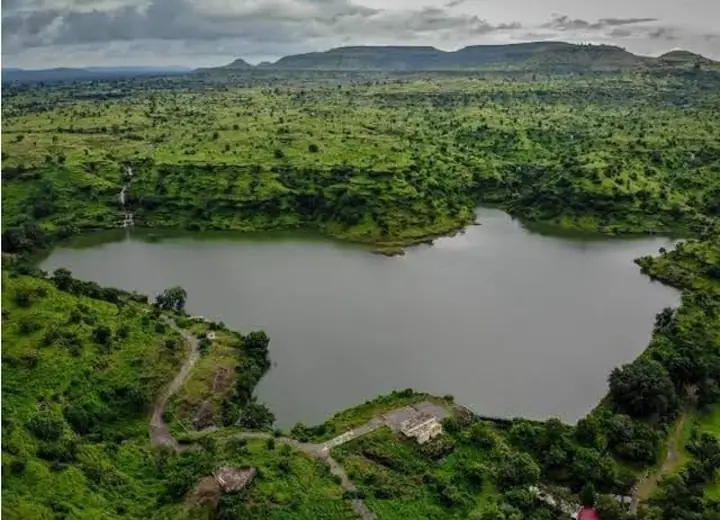
The mill was built in the 17th century to serve the Dargah of Zainuddin Shirazi (also in Aurangabad), grinding flour to feed the thousands of pilgrims who visited the shrine. The power for the mill comes from water brought through a 6km underground channel from a spring in the hills above the city — a system built without modern surveying equipment that functioned with remarkable precision for centuries.
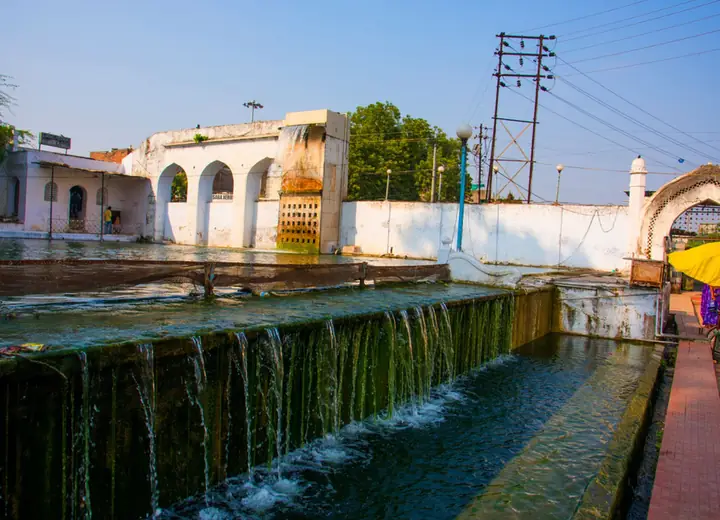
The water emerges from the channel at the top of a waterfall that drops about 5 metres into a tank below, creating enough kinetic energy to power the mill wheel. The tank itself — now a large pond with fountains — is surrounded by carefully maintained gardens and ancient trees that make it one of the most pleasant spots in Aurangabad city for an evening stroll.
The complex also contains the grave of Baba Shah Musafir — an associate of the Sufi saint whose shrine the mill served — as well as several rooms once used by pilgrims. The integration of the hydraulic engineering with the religious and social infrastructure of the Dargah represents the practical sophistication that distinguished Mughal administration at its best.
Open 8am to 5pm daily. Entry is by a small ticket. From Hiranya Resort, allow about 35–40 minutes by road.