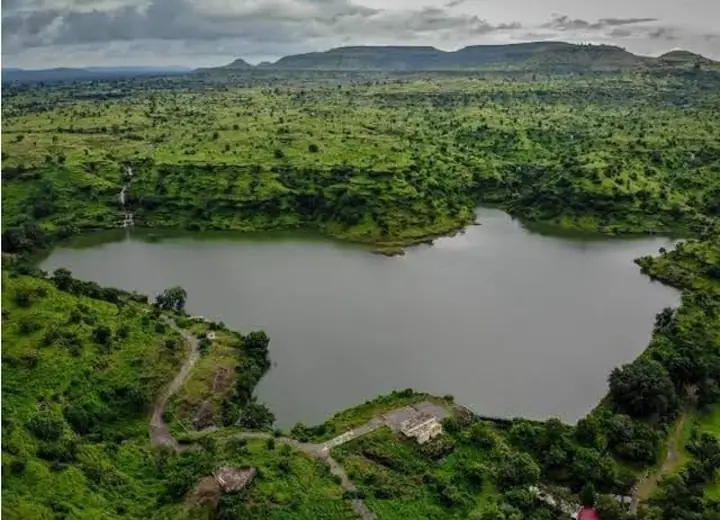
The first thing that strikes you about Lonar is the colour. The lake in the centre of the crater is not the blue or green of ordinary water. Depending on the season and the angle of the light, it ranges from deep emerald to amber to a brilliant, almost supernatural pink — caused by the extreme alkaline and saline conditions that support blooms of cyanobacteria and halobacteria found almost nowhere else on the planet.
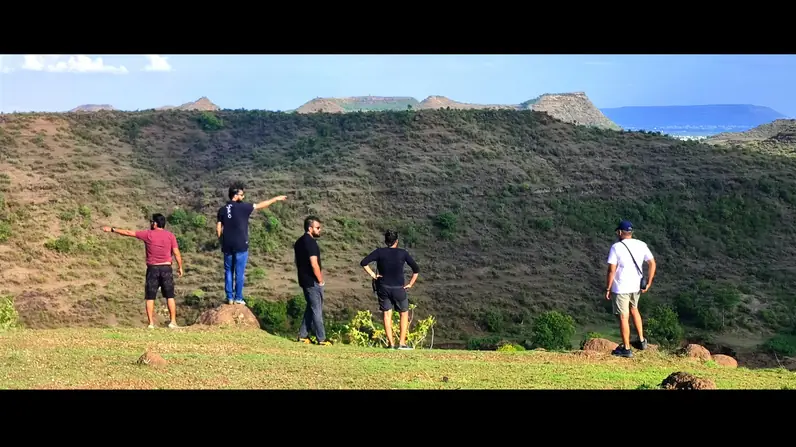
The crater itself is 1.8km in diameter and 150 metres deep — the result of a meteorite impact estimated at 52,000 years ago that produced an explosion equivalent to a nuclear weapon. It is one of only four hyper-velocity impact craters in basaltic rock anywhere in the world, and the only one in Asia.
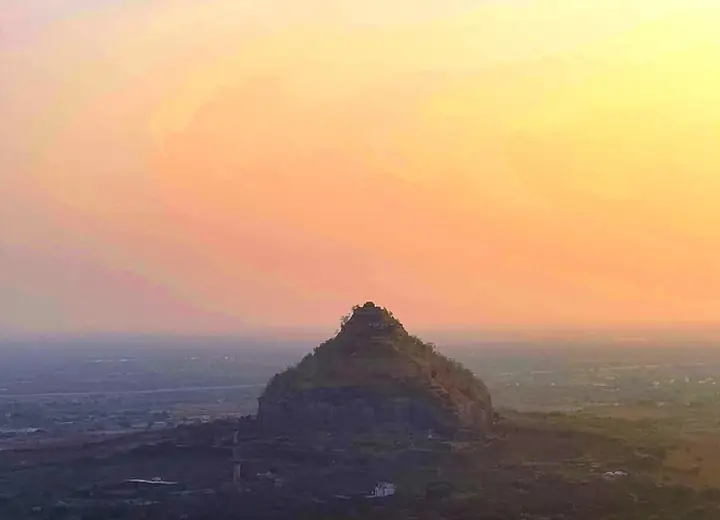
What makes Lonar even more remarkable is the ring of ancient temples that surrounds the crater rim. Twelve temples, ranging from 800 to 1,200 years old, were built around the lake by communities who clearly regarded it as sacred long before modern science could explain its origin. The temples' reflection in the lake — bright white stone against the otherworldly water — creates images of startling beauty.
The wildlife in and around the crater is equally extraordinary. The lake supports flamingos during winter, as well as various migratory waders. The forest around the rim is one of the last remaining stands of tropical dry deciduous forest in the Vidarbha region and supports leopards, monitor lizards, and hundreds of bird species.
From Hiranya Resort, our guided motorcycle trip to Lonar is a full-day adventure — departing at 6am on the scenic back roads through Aurangabad district, reaching Lonar by 9am, spending three hours at the crater and temples, and returning by evening. It is, without question, one of the most memorable day trips available anywhere in Maharashtra.