Winter is the most rewarding season for birdwatching around Ellora. From roughly November to February, migratory ducks, waders, wagtails and warblers arrive from Central Asia, the Himalaya and beyond, joining the resident birds on the lakes, reservoirs and farm ponds of the region. Clear mornings, gentle temperatures and full water bodies after the monsoon make it an easy, pleasant time to be out with binoculars.
Why winter brings new birds to the Deccan
Many birds that breed in colder northern latitudes cannot find food once their lakes freeze. They fly south for the winter, and the shallow margins of Deccan reservoirs, rich in insects, small fish, snails and aquatic plants, suit them well. The monsoon fills tanks and dams, and by November the edges settle into muddy shallows that waders love.
Arrival and departure vary from year to year with rainfall and water levels. A wet monsoon that leaves reservoirs brim-full can push waders to smaller ponds, while a dry year can concentrate birds on the few water bodies that remain. That unpredictability is part of the charm.
Ducks and geese you may see
Dabbling ducks are among the easiest winter visitors to spot, because they feed in open water close to the edge. Around lakes in the Chhatrapati Sambhajinagar region you may see:
- Northern Pintail, the drake with a long, needle-like tail and a white stripe up the side of a chocolate-brown neck.
- Northern Shoveler, recognisable by its heavy, spoon-shaped bill held low to the water.
- Garganey and Common Teal, small, quick ducks that often rest in mixed flocks.
- Ruddy Shelduck, a large orange-brown duck with a pale head, usually seen in pairs.
- Bar-headed Goose, which may turn up on larger reservoirs in some winters.
Resident species such as the Indian Spot-billed Duck and Lesser Whistling Duck are present through the year, so it helps to learn them first. Once you know the regulars, the newcomers stand out.
Waders, wagtails and small birds
Muddy shores are where patience pays. Common, Green and Wood Sandpipers may be seen probing the edges, bobbing their tails as they walk. Little Ringed Plovers and Little Stints can blend so well into the mud that you only notice them when they move. Black-winged Stilts, on long pink legs, are hard to miss.
Wagtails are a winter delight. Grey, White, Citrine and Western Yellow Wagtails may be seen along lake edges and on damp fields, constantly flicking their tails. In reed beds and scrub, look for the Bluethroat, a shy bird with a blue-and-rufous throat patch in males, and listen for the soft calls of leaf warblers moving through the trees.
Birds of prey also follow the migrants. Marsh Harriers may be seen quartering low over reeds and fields, and an Osprey sometimes visits larger lakes to fish.
Where to look around Ellora and Daulatabad
You do not need to travel far. The edges of Mombatta Lake at Daulatabad, the smaller village tanks along the Ellora road and farm ponds in the valley can all hold winter birds. Early mornings are best, before the wind ruffles the water and the light turns harsh.
For a longer outing, the Jayakwadi reservoir near Paithan, protected as the Jayakwadi Bird Sanctuary, is known for wintering waterbirds, and flamingos, spoonbills, storks and ducks have all been recorded there in good years. It makes a full day trip from the Ellora side. Within the city, Salim Ali Lake, named after India's celebrated ornithologist, is an easy stop for resident waterbirds and occasional winter visitors.
Practical tips for a winter morning
Winter mornings on the Deccan can be surprisingly cold, especially before sunrise, so carry a warm layer you can take off by mid-morning. A pair of 8x or 10x binoculars is more useful than a big camera lens for learning birds, and a regional field guide or a bird identification app helps you confirm what you see.
- Arrive at the water's edge at first light and stay still for the first ten minutes.
- Walk slowly along the shore and keep a respectful distance; flushed ducks waste energy they need for migration.
- Wear muted colours and keep voices low.
- Note the date, place and numbers; logging sightings on a citizen science platform such as eBird helps researchers track migration.
- Carry water and a hat, as the sun is strong by late morning even in January.
Birding from Hiranya this winter
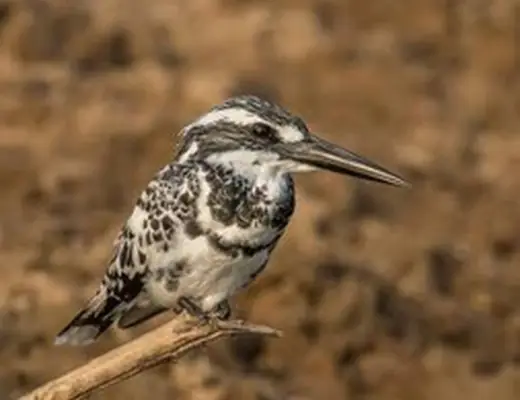
Hiranya sits on the banks of Mombatta Lake, so a winter birding morning can begin with a short walk from your room or cottage, often alongside resident kingfishers, herons and lapwings. If you would like company, birdwatching and photography sessions can be arranged on request, and our team is always happy to share recent sightings over breakfast.