Jayakwadi Bird Sanctuary is the shallow, island-dotted reservoir of Nath Sagar on the Godavari near Paithan, about 50 km south of Chhatrapati Sambhajinagar. Declared a sanctuary in 1986, it is one of the most rewarding wetlands in Marathwada for winter birding, with greater flamingos, painted storks, spoonbills, ducks and waders gathering along its edges from roughly November to February.
The reservoir and the sanctuary
The Jayakwadi dam was built across the Godavari between 1965 and 1976, and at nearly 10 km long it holds back a huge body of water named Nath Sagar, after the saint Eknath of Paithan. The reservoir was created for irrigation and drinking water, but its gently sloping banks, mudflats and scattered islands made it a natural magnet for birds.
The sanctuary covers the reservoir and its surroundings. More than 200 species have been recorded here, and some counts put the figure higher, including many long-distance migrants that arrive each winter from Central Asia and beyond. Over 50 species of fish live in the reservoir, which is a large part of why the birds come.
What you might see
Numbers and species change from year to year with water levels, but winter visits commonly turn up:
- Greater flamingos, often in long pink lines in the shallows, feeding with heads upside down.
- Painted storks, spoonbills, black-headed ibis and red-naped ibis working the mudflats.
- Ducks such as northern shoveler, northern pintail and garganey, with little grebes on the open water.
- Waders including sandpipers, stints, black-winged stilts and snipes along the margins.
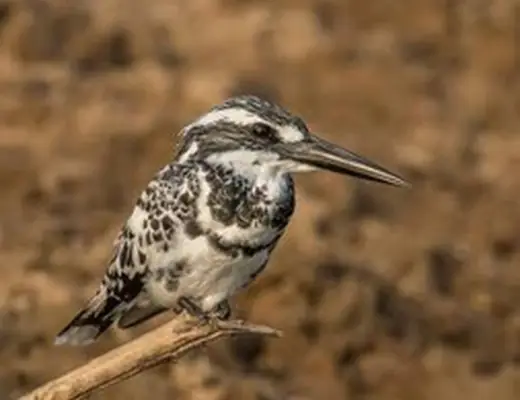
- Grey herons, egrets, cormorants and river terns, and wagtails on the grassy edges.
- Raptors like marsh harriers quartering over reed beds.
Flamingos are the big draw, but they are also the most dependent on conditions. When the reservoir is very full after a strong monsoon, the shallow feeding grounds shrink and flamingos may be scattered or scarce. In drier years, receding water exposes wide mudflats and the birding can be superb. Local birders are the best source of up-to-date information on where flocks have settled.
When to go
- November to February: peak season for migrants and the most comfortable weather. December and January are often the best months.
- Early March: many ducks begin to leave, but waders and residents remain and light is lovely.
- Monsoon and early autumn: water is high, migrants are few, but the landscape is green and resident birds breed.
Go at first light. Birds are most active in the early morning, the light is softer for photography, and the heat haze that builds over the water by late morning is not yet a problem. Late afternoon is a good second window.
Where to watch
Nath Sagar is enormous, and there is no single viewpoint that shows it all. Birders usually explore several points along the backwaters and the edges near Paithan, moving with the birds. The area near the dam and the gardens below it gives an easy first look, while the quieter margins further along the shore are better for flocks of waders and flamingos. A local guide or birder who has been out recently will save you a great deal of driving.
Tips for a good birding day
- Bring binoculars and, if you have one, a spotting scope; many flocks sit far out on the water.
- A long lens helps photographers, but keep a respectful distance and never flush birds for a picture.
- Wear muted colours, a hat and sunscreen. There is little shade along the banks.
- Carry water and snacks; facilities along the shore are limited.
- Walk carefully on mudflats, which can be soft and deeper than they look.
- Respect local farms and fishing activity, and ask before crossing private land.
- Check with the Forest Department for any current rules on access to the sanctuary areas.
Make it a Paithan day
Jayakwadi pairs naturally with Paithan itself. After a dawn session on the water, you can visit the samadhi of Sant Eknath on the Godavari ghats, walk through the landscaped Dnyaneshwar Udyan below the dam, and look in on a Paithani weaving workshop before heading back. The drive from the city is roughly an hour and a half each way, depending on traffic.
Birders who stay at Hiranya often start their mornings closer to home: the resort's 15 acres around Mombatta Lake host more than 50 species, from kingfishers and pond herons to grey hornbills and coppersmith barbets. We can arrange an early breakfast before your Jayakwadi trip, and birdwatching walks on the property on request.