The Nizam Shahi Sultanate (1490–1636 CE) was founded by Malik Ahmad Nizam Shah, son of an adventurer who had risen through the Bahmani Sultanate's ranks to establish an independent kingdom centred on Ahmadnagar. For nearly 150 years, this sultanate maintained independence in an increasingly Mughal-dominated subcontinent, owing largely to the extraordinary talent of its prime minister Malik Ambar and the loyalty of its Maratha cavalry.
The Nizam Shahis were notable for several things beyond their military resilience. Their capital Ahmadnagar (also called Ahmadnagar Fort) was one of the strongest fortifications in the Deccan, withstanding multiple Mughal sieges. Their court attracted Persian poets, Turkish military commanders, Ethiopian administrators (like Malik Ambar himself), and local Maratha warriors — a cosmopolitan mixing of cultures that produced remarkable cultural output alongside the diplomatic work of survival.
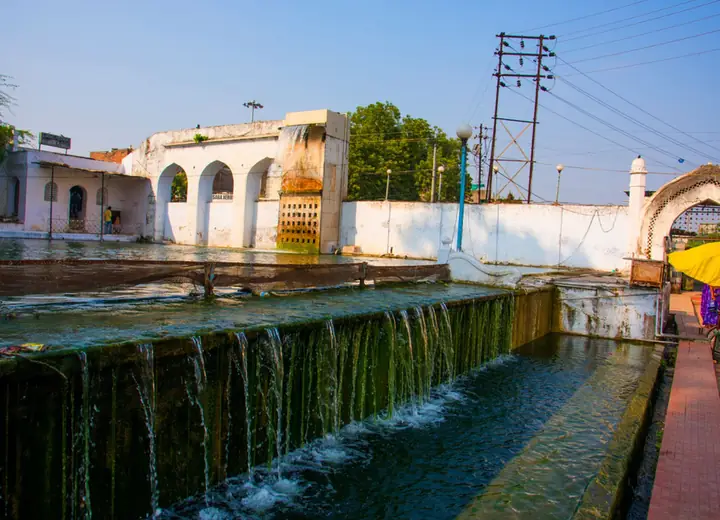
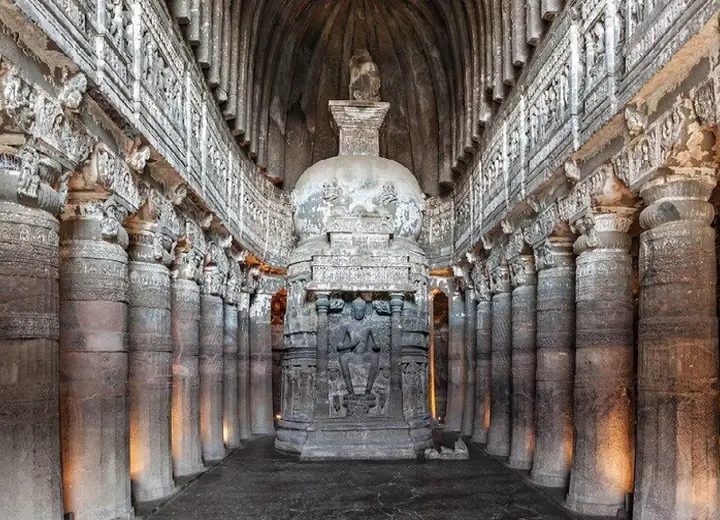
The Nizam Shahi period is crucial to understanding the landscape around Hiranya Resort. The dams, water channels, and settlement patterns of the Ellora region were largely established or reinforced during this period. The trade routes that connected Ellora to the coast passed through Nizam Shahi territory, and the prosperity of those routes funded much of the maintenance of the region's historical infrastructure.
When the Mughal Emperor Shah Jahan finally extinguished the sultanate in 1636, he did so by capturing the young sultan Hussain and bringing him to Delhi. The Deccan was divided between the surviving sultanates of Bijapur and Golconda, and the stage was set for the eventual Mughal takeover that would bring Aurangzeb to the Deccan — and lead, circularly, to the rise of the Marathas under Shivaji.