
The monsoon and the weeks just after it are the best time to see butterflies around Ellora. As the rains turn the Deccan green, host plants sprout, flowers bloom and caterpillars grow fat, and by late August to October the fields, gardens and forest edges are busy with wings. Among the easiest to find are the Common Mormon, Blue Tiger, Plain Tiger, Lemon Pansy and Common Crow.
Why the rains bring butterflies
Butterflies depend on particular plants to lay their eggs, and in a dry region like the Deccan many of these plants grow vigorously only after rain. The rains also bring a burst of flowering, which feeds the adults. Many species pass the dry months as eggs or pupae, or in low numbers, and then emerge in large numbers once conditions improve.
Sunny breaks between showers are the magic moments. Butterflies need warmth to fly, so after a rainy morning they come out to bask, feed and chase each other the moment the sun breaks through.
The Common Mormon
The Common Mormon is a large, graceful swallowtail found in gardens across Maharashtra. Males are velvety black with a band of cream-white spots across the hindwing. Females are more varied: some look like the male, while others mimic the Common Rose, a butterfly that is distasteful to predators, with red markings and white patches.
Its caterpillars feed on citrus leaves, including lemon and curry leaf plants, so kitchen gardens are a good place to look. Adults visit flowers such as lantana and ixora with a fast, fluttering flight.
Blue Tiger and Plain Tiger
Tigers are slow, gliding butterflies, and their leisurely flight is a clue in itself. They are protected by toxins absorbed from their host plants as caterpillars, which is why they do not seem to hurry.
The Blue Tiger has blackish wings covered in pale, glassy blue streaks and spots. It is known for seasonal movements, and after the monsoon it may be seen in large numbers along hill slopes and river valleys.
The Plain Tiger is tawny orange with black borders and white spots near the wingtips. Its caterpillars feed on milkweeds, including the rui or calotropis that grows on wasteland across the Deccan, so wherever you see that plant, look for this butterfly.
Lemon Pansy and Common Crow
The Lemon Pansy is a smaller, low-flying butterfly of open, grassy ground. Its wings are dark brown, speckled with small lemon-yellow spots and marked with eyespots ringed in orange, and it has a habit of settling on bare earth with its wings open. It is a common and cheerful sight on paths and field edges.
The Common Crow is a glossy brown-black butterfly with rows of white spots along the wing margins. Like the tigers, it is distasteful to birds and flies in a slow, floating way. Caterpillars feed on plants such as oleander and wild figs, so shady gardens and village edges are good places to find adults.
Once you know these five, you will start spotting others:
- Blue Mormon: a large, dark swallowtail with bright blue on the hindwings, declared Maharashtra's state butterfly in 2015; more at home in wetter, wooded country but worth watching for.
- Common Emigrant and Common Grass Yellow: small yellow butterflies that pour across open fields.
- Danaid Eggfly: its females mimic the Plain Tiger closely.
- Common Jezebel: white above with bright yellow and red patterns beneath.
Tips for butterfly spotting
The best hours are mid-morning to early afternoon on bright days, especially after rain. Walk slowly along the edges of gardens, fields, streams and scrub, and look closely at flowering shrubs and wet mud, where males often gather to sip minerals.
- Move gently and avoid casting your shadow over a resting butterfly.
- Photograph first from a distance, then edge closer.
- Look at the underside of the wings as well as the upperside; many species look very different.
- Never net or handle butterflies; their wing scales are delicate.
- Keep a simple notebook or use an app to record what you see, and contribute to citizen science projects if you enjoy it.
Butterflies at Hiranya
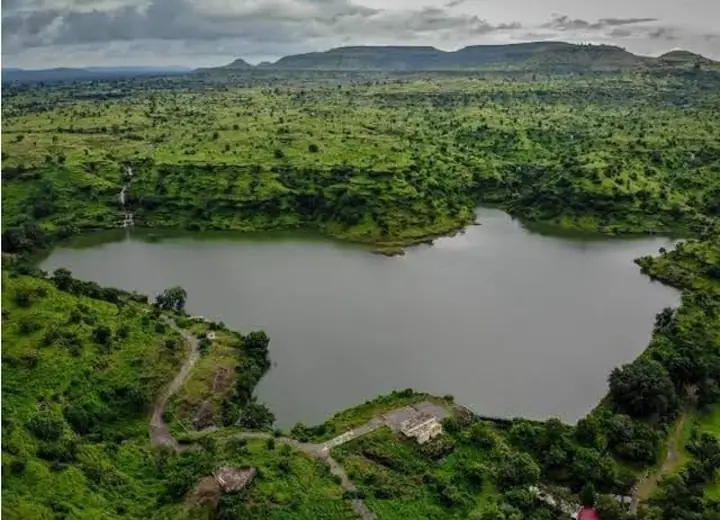
After the rains, the gardens, lakeside and farm edges around Hiranya fill with flowers and flutter. A slow morning walk, a pause by the seasonal waterfall from July to September, and a bit of patience are usually enough to spot several of these species. Our team is happy to point you towards the sunniest, busiest corners.