The dam that sits beside Hiranya Resort — shimmering against the valley's green hills — is no ordinary structure. It was first built in the 14th century and later became part of the water network of Malik Ambar — a man whose life story is more extraordinary than any work of fiction.
Born in Ethiopia in 1549, Malik Ambar was sold into slavery as a child and passed through the hands of merchants across the Arab world before arriving in India. He was eventually purchased by a noble of the Ahmadnagar Sultanate, where his exceptional intelligence and military acumen quickly set him apart from all others.
By the time he was in his 40s, Malik Ambar had assembled his own army — a guerrilla force of Maratha soldiers he trained in hit-and-run tactics that would later be perfected by Chhatrapati Shivaji. He became the Prime Minister (Peshwa) of Ahmadnagar, effectively the most powerful man in the Deccan, and held off the Mughal Emperor Jahangir for decades despite being vastly outnumbered.
What makes Malik Ambar truly remarkable beyond his military brilliance was his vision as an administrator. He built Aurangabad's water supply system — the Nahar-e-Ambari — which carried water from the surrounding hills into the city through underground channels, some of which still function today. He established new towns, reformed tax collection to reduce burden on farmers, and was known for his enlightened governance across religious lines.
The dam next to Hiranya Resort, around 700 years old — built in the 14th century under the Tughlaq dynasty and later integrated into Ambar's water network, remains a testament to the hydraulic engineering genius of this era. As you sit on our lakeside deck watching the sun set over the ancient stonework, you're looking at the handiwork of one of history's most remarkable individuals.
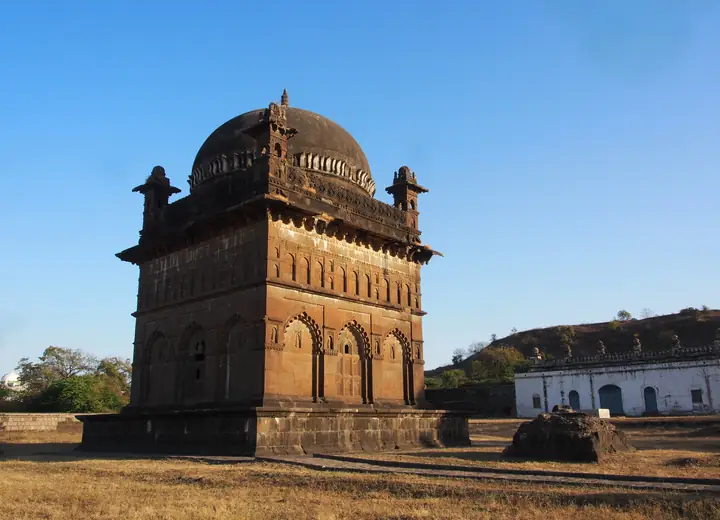
Malik Ambar's tomb is located in Khuldabad, just a few minutes from the resort, and remains an undervisited gem of the region.