Aurangabad (Sambhajinagar) sits at a unique culinary crossroads. It was the capital of the Nizam's domain, a city built by Mughal viceroys, and the homeland of Maratha farming culture — and its food reflects all three heritages in layers of flavour and technique that make it one of the most interesting cuisines in India.
NAAN QALIA: The definitive Aurangabad dish. Slow-cooked mutton in an aromatic sauce built on whole spices, served with tandoor-baked naan that is thicker and chewier than its Delhi counterpart. The best Naan Qalia is made at Zama Khan's establishment near the old city — a recipe passed down from the Mughal era. The cooking process takes 6+ hours. It is not a fast-food option; it requires planning.
SHEERMAL: A slightly sweet, saffron-infused flatbread that was once part of Mughal court dining and is still made in the old city bakeries of Aurangabad using wood-fired ovens. The combination of ghee, saffron, and milk creates a bread that is simultaneously rich and delicate.
HIMROO AND PAITHANI: While not food, Aurangabad's textile tradition deserves mention in any cultural guide. The Himroo shawl — woven from silk and cotton with patterns derived from Mughal court textiles — and the Paithani saree — with its distinctive zari peacock border — are the tangible cultural product of the same Mughal legacy that produced the cuisine.
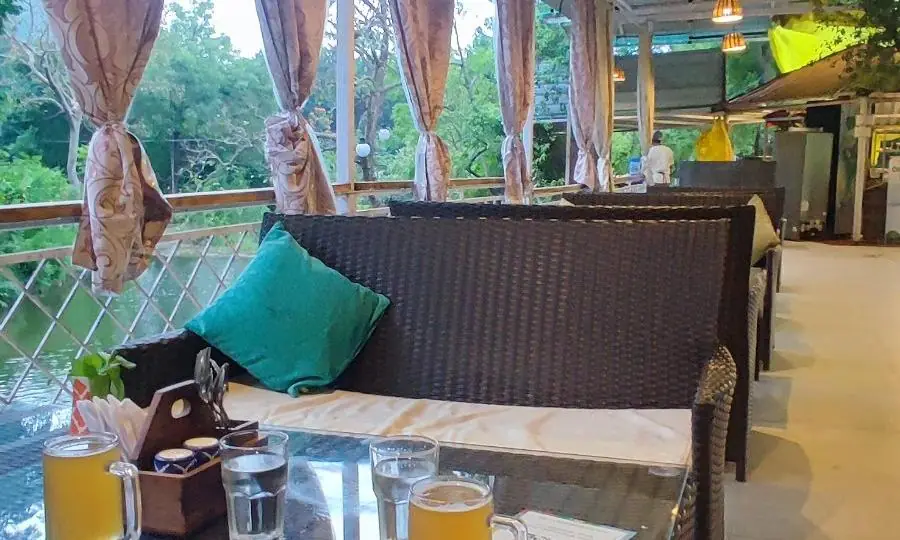
HIRANYA RESORT'S RESTAURANT: Our kitchen draws on both traditions — the Mughal legacy in our kebabs, biryanis and slow-cooked meat dishes, and the Marathwada tradition in our seasonal vegetables, freshly made bhakri, and the tawa pithla that appears on our breakfast menu. Our waterfall-side restaurant also offers a monthly special of Mutton Mandi — the underground Mughal-style slow-cooking technique — which must be ordered 48 hours in advance.