Paithan is a riverside town on the Godavari, about 56 km south of Chhatrapati Sambhajinagar, and one of the oldest continuously inhabited places in the Deccan. As Pratishthana it was the capital of the Satavahana kings more than two thousand years ago, later it became the home of the sixteenth-century saint Eknath, and today it is known across India for the Paithani weave. A well-planned day here combines history, pilgrimage, gardens and craft.
Pratishthana: a very old capital
The Satavahanas ruled much of the Deccan from around the second century BCE to the second century CE, and Pratishthana was their royal seat. Its position on the Godavari and on trade routes linking the western ports with the interior made it wealthy and influential. Greek and Roman writers knew of it, and fine cloth from the region travelled far.
Little of that ancient city is visible above ground now; much of it lies under the modern town and the surrounding fields. But the sense of age is everywhere, in the layered lanes, old wadas and stone ghats stepping down to the river. A small archaeological museum in the town displays sculpture, coins, pottery and other finds from the area, and is worth half an hour if it is open when you visit.
Sant Eknath and the Godavari ghats
For most visitors, Paithan's heart is Sant Eknath. The saint lived here in the sixteenth century and is remembered for his Marathi devotional writings, including a celebrated commentary on the Bhagavata, and for bharuds, lively allegorical songs still performed today. He is equally remembered for his compassion and his disregard for caste barriers, stories of which are told across Maharashtra.
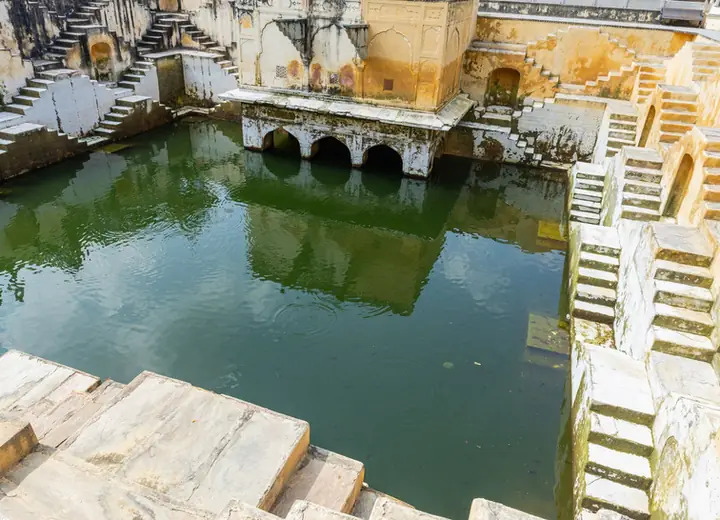
His samadhi stands on the bank of the Godavari, and his ancestral home, the Nath Mandir, is in the old town. Both are places of living devotion rather than museums, so go quietly, dress modestly and leave footwear where asked. Early morning is the most peaceful time, when the ghats are washed and the river mist has not yet lifted.
Paithan is also linked in legend with Sant Dnyaneshwar, who is said to have made a buffalo recite the Vedas here to humble scholars who scorned him and his siblings. And the town holds importance for the Mahanubhava tradition and for Jains; a Jain temple in town is known for its black image of the twentieth Tirthankara, Munisuvrata.
Nath Shashthi: the big festival
The great annual event is Nath Shashthi, held in the Marathi month of Phalgun, usually in February or March. Hundreds of thousands of devotees, many of them warkaris walking in groups with flags and cymbals, arrive to honour Eknath. The atmosphere is extraordinary, but the town becomes very crowded. If you prefer a calm visit, avoid those days; if you want to see living Maharashtrian devotion, plan around them with plenty of time and patience.
Dnyaneshwar Udyan and the dam
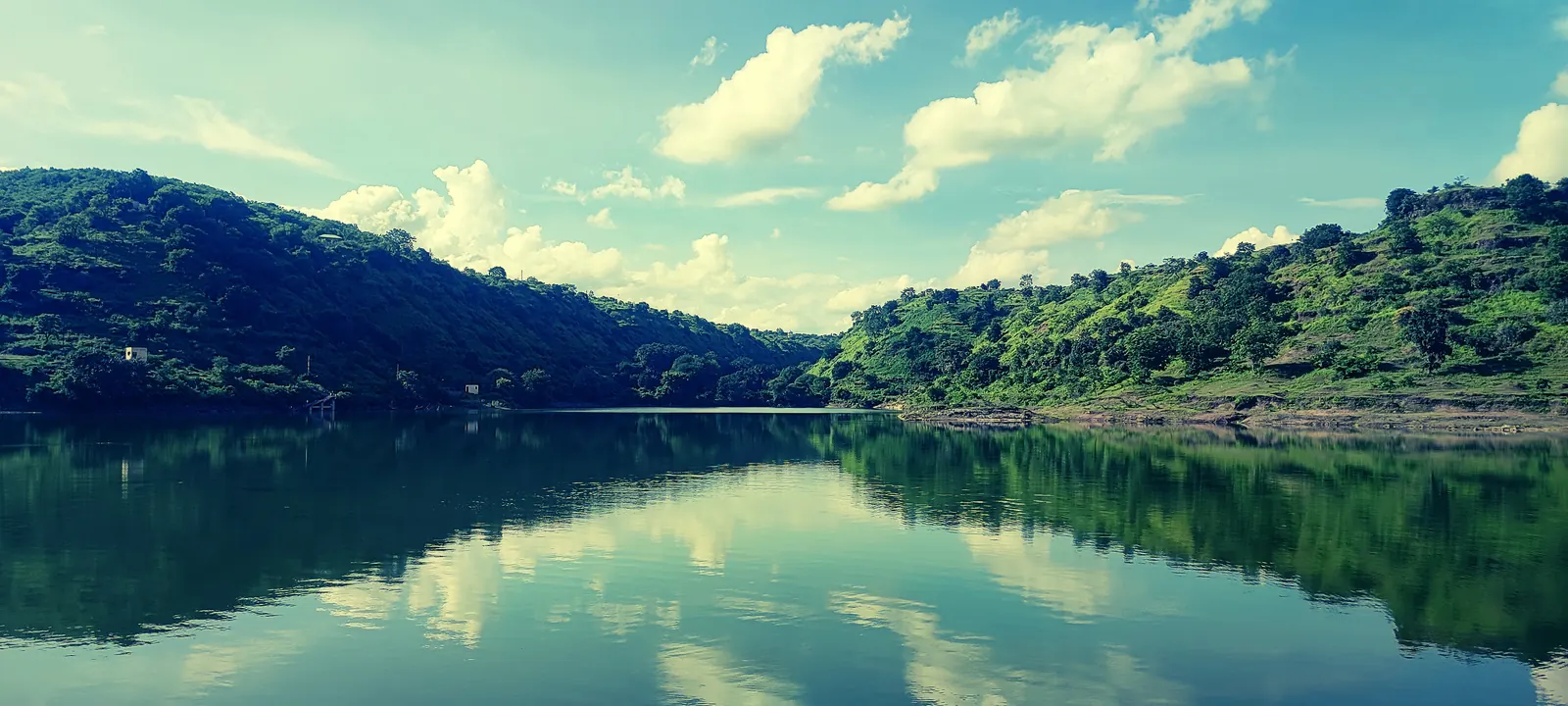
Just outside town, below the Jayakwadi dam, lies Dnyaneshwar Udyan, a large landscaped garden of around 125 hectares laid out in the style of Mysore's Brindavan Gardens. It is popular with families in the late afternoon, with lawns, fountains and walking paths. Beyond it spreads Nath Sagar, the reservoir behind the dam, which becomes a winter haven for flamingos and other migratory birds.
Paithani lanes
Paithan's weaving heritage deserves more than a line, but it is also best seen rather than read about. Several workshops and weaving centres in town welcome visitors to watch artisans at their handlooms, working silk and zari into peacocks, lotuses and parrots. Ask before photographing weavers, and allow time: watching a pattern grow thread by thread is oddly absorbing.
A suggested day plan
- Leave the city early and reach Paithan by about 8 am.
- Start at Eknath's samadhi and the Godavari ghats, then walk to the Nath Mandir in the old town.
- Visit the Jain temple and the archaeological museum late morning.
- Have lunch in town; simple Maharashtrian thalis are easy to find.
- Spend early afternoon at a weaving workshop.
- End at Dnyaneshwar Udyan and the dam for the evening light, before driving back.
The road south from the city takes roughly an hour and a half, depending on traffic. State transport buses run frequently, but a car lets you move easily between the ghats, the gardens and the dam. Carry water, a hat and small change for offerings and snacks.
Paithan makes a fine counterpoint to Ellora and Daulatabad, showing a much older and gentler side of the region. After a long day on the Godavari, Hiranya's lakeside quiet at Daulatabad is a restful place to return to, and our team can help you time the trip around festival days.